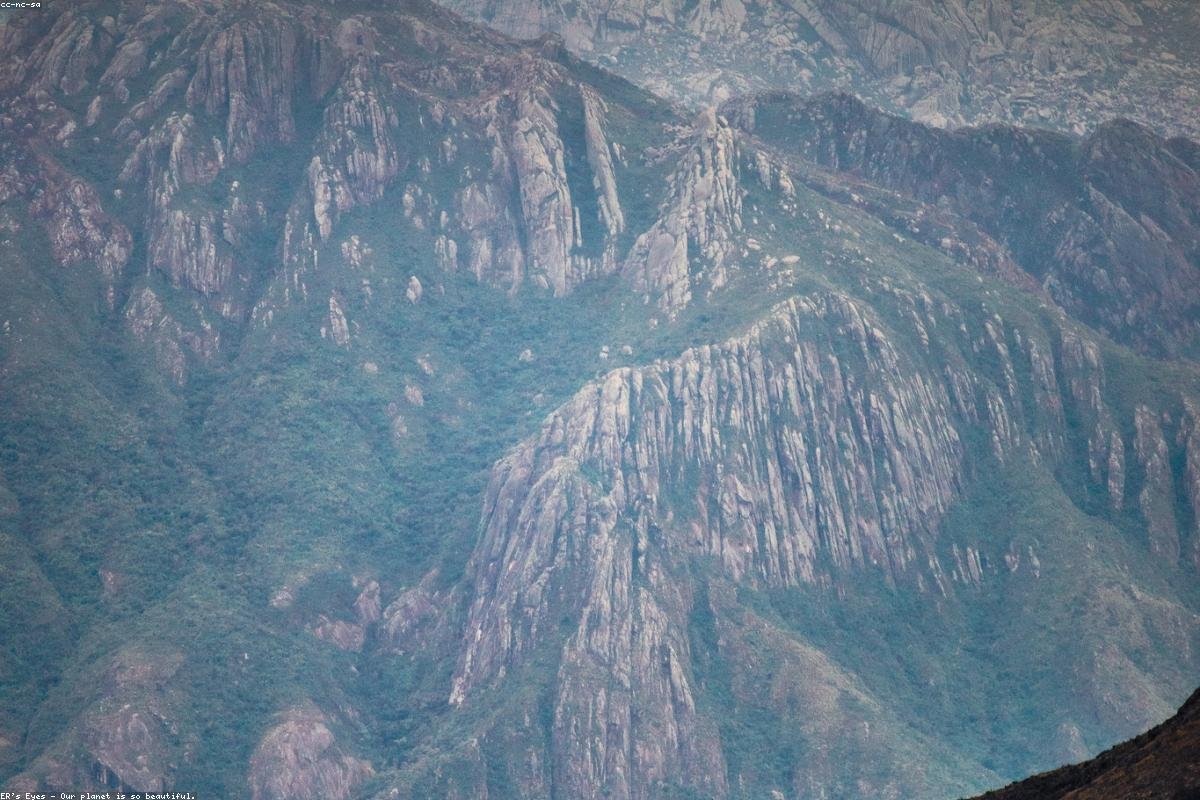
Mount Tai is the foremost of the Five Great Mountains and the sacred site for imperial Fengshan sacrifices. For two days and one night, ascending from the Red Gate, between sea of clouds and sunrise, you can understand the heroic spirit of "reaching the summit."
Starting from the Red Gate, this is the most classic trailhead. Stone steps ascend along the stream, with towering ancient cypresses and stone inscriptions on both sides, each step stepping into a thousand-year-old incense burner. Walking to Zhongtian Gate, my legs are already sore, but the scenery behind the mountain gate is just beginning.
The most challenging part is the Eighteen Turns: Tight Eighteen, Slow Eighteen, Neither Hurried nor Slow Again, Eighteen — over 1,600 steps leading straight into the Southern Heavenly Gate. When you climb until you are out of breath and look up, the Heavenly Gate appears faintly in the mist, like a gateway to the heavenly realm.
After reaching the summit, I stayed overnight near Jade Emperor Peak, just to wait for a sunrise. At 4 a.m., the mountain was already packed with people. When the east turned to light, clouds surged, and the sun leapt above the horizon, cheers erupted like mountains and waves—this was the most moving ceremony of Mount Tai.
On clear days, one can see the sea of clouds, the jade plate, and the golden belt of the Yellow River, with peaks floating like islands above white waves. Du Fu's line "Stirring the chest gives rise to clouds" only now truly captures the picture.
Mount Tai's solemnity lies not just in its peak, but in its symbolism. When you stand on Jade Emperor Peak watching the sunrise, you'll understand why emperors throughout history have come here to perform the Fengshan ceremony—some heights are for heaven and earth to see.
Route fragment
2 days and 1 night
- Day 1: Climb Hongmen, Zhongtianmen, Shibaben
- Day 2: Sunrise at Yuhuang Peak, descend from the back mountain