In depth
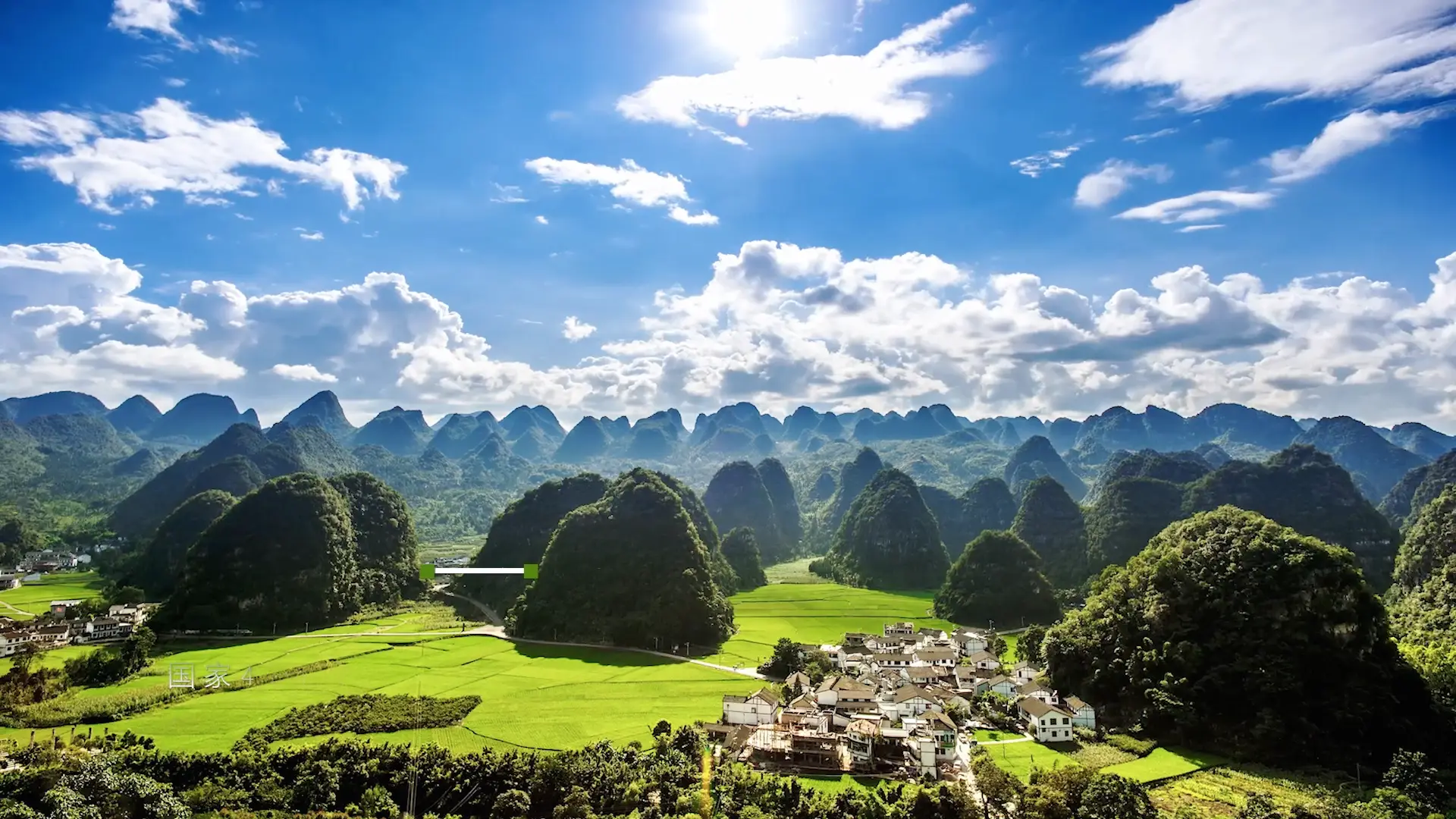
Guizhou, abbreviated as Qian or Guizhou, is located in the southwest heart of China. It is a province without plains, with mountains and hills accounting for 92.5% of the province's total area. The average elevation here is about 1100 meters, with a subtropical humid monsoon climate. Winters are mild and summers are mild, earning it the reputation of a summer retreat. Guizhou is famous for its typical karst landforms, with caves, sinkholes, peak forests, and underground rivers scattered throughout the province. Its natural scenery is extremely rich, and it ranks first nationwide in the number of World Natural Heritage sites. This is also one of the provinces with the largest ethnic minority composition in China. Seventeen indigenous ethnic groups, including the Miao, Buyi, Dong, and Yi, thrive here, blending diverse cultures and earning the reputation of a cultural island.
Huangguoshu Waterfall
Huangguoshu Waterfall, located in Anshun City, is the largest waterfall in Asia, standing 77.8 meters high and 101 meters wide. The Ming dynasty traveler Xu Xiake once visited here and exclaimed, "The beaded curtain hook remains unrolled, a silk cord hangs from the distant peak." During the abundant water season, surging white water cascades down from cliffs, with thunderous sounds and mist rising into the sky. On clear days, rainbows often appear across the waterfall. Behind the waterfall is a Water Curtain Cave where visitors can walk through and feel the grandeur of the waterfall from within. Above and below the waterfall cluster is the Steep Pond Waterfall—the filming location for the ending theme of the 1986 version of "Journey to the West." The waterfall is wide and gentle, and the Tianxing Bridge scenic area features a stone forest, water forest, and underground river intertwined. Attractions like Shushengpei and the Beautiful Banyan are highly captivating.
Libo Karst
Libo Zhangjiang Scenic Area is the core area of Guizhou's first World Natural Heritage site—the karst of southern China. The Xiaoqikong Ancient Bridge was built during the Daoguang period of the Qing Dynasty. The emerald water beneath the bridge lies over the Hanbi Pool, serving as a landmark of the scenic area. Ascending the river, Laya Waterfall hangs like a white ribbon, with 68 tiers of cascading waterfalls layered in layers, the sound of water flowing gently. The Water Forest is Libo's most unique landscape—trees rooted in the water, visitors wade through the water, with clear streams flowing gently at their feet. The water of Wolong Pool is a deep blue, tranquil and profound, reminiscent of the Five-Colored Pool of Jiuzhaigou. The Daqikong Scenic Area is famous for its natural bridge and the steep Gorge of Fear. The natural bridge is about 60 meters high, spanning the river with a majestic presence.
Mount Fanjing
Fanjing Mountain is located in Tongren City and is one of China's five famous Buddhist mountains. It was designated a World Natural Heritage site in 2018. The main peak, Hongyun Jinding, rises to 2,336 meters. The summit is divided into two, connected only by a skybridge, flanked on either side by the Shakyamuni Hall and Maitreya Hall, which resemble a castle in the air when swirling in mist. Mushroom Stone is a landmark of Fanjing Mountain, with two layers of rocks stacked like mushrooms, standing here for billions of years of wind and rain erosion. Fanjing Mountain is home to more than 7,000 species of wildlife, including the Guizhou golden monkey, known as the "only child of the world," and the living fossil dove tree.
Miao and Dong cultures
Xijiang Qianhu Miao Village is located in Qiandongnan Prefecture and is the largest Miao ethnic village in the world. It consists of more than ten natural villages built along the mountains, housing about 6,000 Miao people. As night falls, thousands of stilted house lights up one after another, like stars scattering into the valley, earning it the title of the real-life Spirited Away. The long-table banquet in the village is the highest form of hospitality among the Miao people. Sour soup fish, cured meat, and glutinous rice wine fill the tables, while the girls sing toasting songs and play the lusheng, creating a lively and joyful scene. Zhaoxing Dong Village is the largest Dong village in the country, famous for its grand Dong songs. This multi-part a cappella has been listed by UNESCO as a representative work of the Intangible Cultural Heritage of Humanity. The five drum towers in the village are arranged according to benevolence, righteousness, propriety, wisdom, and trustworthiness, with unique designs that are iconic buildings of the Dong ethnic group.
Red history and Tunpu culture
The Zunyi Conference was located in Zunyi City, a small blue-brick building blending Chinese and Western elements. The Zunyi Conference held here in January 1935 was a life-or-death turning point in the history of the Communist Party of China. The venue has now been built as a memorial hall and serves as a national model base for patriotic education. Anshun Tunpu preserves unique cultural relics from Ming dynasty Jiangnan immigrants. Residents of Tianlong Tunbao still wear Ming dynasty clothing and use the Ming language, earning it the title of a living fossil of Ming culture. Tunpu opera, with its bold and powerful dances and exaggerated masks, tells war stories, making it a living fossil of Chinese drama.
Authentic local cuisine
Guizhou cuisine centers on sour and spicy flavors. Sour soup fish is Guizhou's top dish, made with the traditional Miao red or white sour soup as the base, cooked with fresh river fish. The fish meat is tender, sour, spicy, and appetizing. Spicy intestine noodles are a representative breakfast in Guiyang. The noodles are chewy, paired with pork intestines, blood stew, and crispy spicy noodles, spicy but not harsh. Huaxi beef noodle soup is tender and clear, paired with sour lotus root and mashed chili, making it fresh and refreshing. Siwawa's dough, as thin as cicada wings, wraps more than a dozen kinds of vegetable shreds, dipped in sour and spicy sauce, bite by bite, making it the most popular street snack. Zunyi lamb noodles are a favorite among Zunyi locals, with rich lamb broth and smooth rice noodles. There are also specialty dishes like spicy pot, tofu balls, and love tofu puffs. Guizhou is also one of China's largest tea-producing regions. Duyun Maojian is one of China's top ten famous teas and was a tribute as early as the Ming Dynasty.
Transportation and Travel Tips
Guizhou was once a land with no three feet of flat land and no transportation barriers, but now it has become the first province in the western region where every county has access to expressways. The Shanghai-Kunming and Guiyang-Guangzhou high-speed railways run through the entire province, and Guiyang Longdongbao International Airport connects major cities both domestically and internationally. Guizhou's scenic spots are scattered, so self-driving or chartering a car is a more flexible choice. Many attractions are far apart, so it's recommended to plan your itinerary reasonably. Guizhou has abundant rainfall, so you need to bring rain gear when traveling. The temperature difference between morning and evening is large in mountainous areas, so warm clothing is necessary. Some ethnic minority villages still retain traditional lifestyles, and tourists follow local customs and respect local customs.
The charm of Guizhou lies in its pristine ecology and diversity. Here you'll find majestic waterfalls, deep gorges, beautiful water towns, mysterious mountain peaks, unchanged Miao and Dong villages for millennia, and folk songs that are sung endlessly. There has been no excessive commercialization here; many places still retain their simplicity and naturalness. Whether you come for the mountains and waters, for ethnic culture, or simply seeking a bit of coolness, Guizhou will not disappoint—this land is worth exploring deeply and savoring in detail.
Sample route
Guizhou: 5-6 nights
- Arrive in Guiyang and have a local meal
- Railways or highways lead to a village area
- Market, walk, and a second night stop
- Return to the ground without compressing the transition from day to ground