Yi culture is not a static exhibit but a tradition still alive in daily life. Elements such as the Torch Festival, lacquerware making, and singing and dancing ceremonies give visitors the chance to experience a distinctive ethnic character and hospitality at Bijie.
Main Walkthrough
Yi culture is not a static exhibit but a tradition still alive in daily life. Elements such as the Torch Festival, lacquerware making, and singing and dancing ceremonies give visitors the chance to experience a distinctive ethnic character and hospitality at Bijie.
1. National Intangible Cultural Heritage and Red Memory
Bijie is home to multiple ethnic groups including Yi, Miao, and Bouyei, whose coexistence has brought abundant intangible cultural heritage resources. National-level intangible cultural heritage projects such as Miao rolling mountain beads and Dafang lacquerware remain active in festivals and handicraft scenes.
At the same time, Bijie was also a route during the Long March, with red sites such as the Jiming Three Provinces Conference site recording fragments of the revolutionary era. Beyond the natural scenery, these red landmarks added another layer of cultural depth to the journey.
2. Economic Development: Synergy between ecology and cultural tourism
1. Cultural and tourism industry drivers
Bijie adopts the overall tourism brand of "Cave Heaven and Lake Land, Flower Sea and Crane Hometown," with core scenic spots such as Zhijin Cave, Baili Azaleas, Caohai, and Jiucaiping forming a synergistic effect. In recent years, visitor numbers and tourism revenue have continued to grow, gradually establishing the image of a summer tourism city.
The development of cultural tourism has not only driven accommodation and dining services, but also promoted a renewed understanding of ecological resource protection and development. For travelers, this means a more mature system for transportation, consultation, and services.
2. Clean Energy and Mountain Agriculture
The Wumeng Mountains are rich in wind and photovoltaic resources, and Bijie is one of the key nodes for 'West-to-East Power Transmission.' Mountain agriculture also has regional characteristics, with geographical indication products such as potatoes, gastrodia, walnuts, and Rosa roxburghii enjoying a certain level of recognition in the national market.
These industries complement cultural tourism: tourists can taste and purchase local agricultural products during their journeys, and some agricultural landscapes become part of the rural experience. The idea of green transformation runs through this process.
3. Transportation and accessibility
Bijie has achieved direct high-speed rail connections to cities such as Guiyang, Chengdu, and Chongqing. Feixiong Airport serves multiple domestic routes, and the expressway network covers major counties. Most travel time from the city center to scenic spots such as Zhijin Cave, Baili Azaleas, and Caohai takes less than two hours.
For independent travelers, self-driving or chartered car tours are more convenient. Some scenic spots are far apart, so planning your route in advance can save a lot of time.
3. Attraction Introduction: Donghua Haiping Gorge each has its own unique features
1. Zhijin Cave
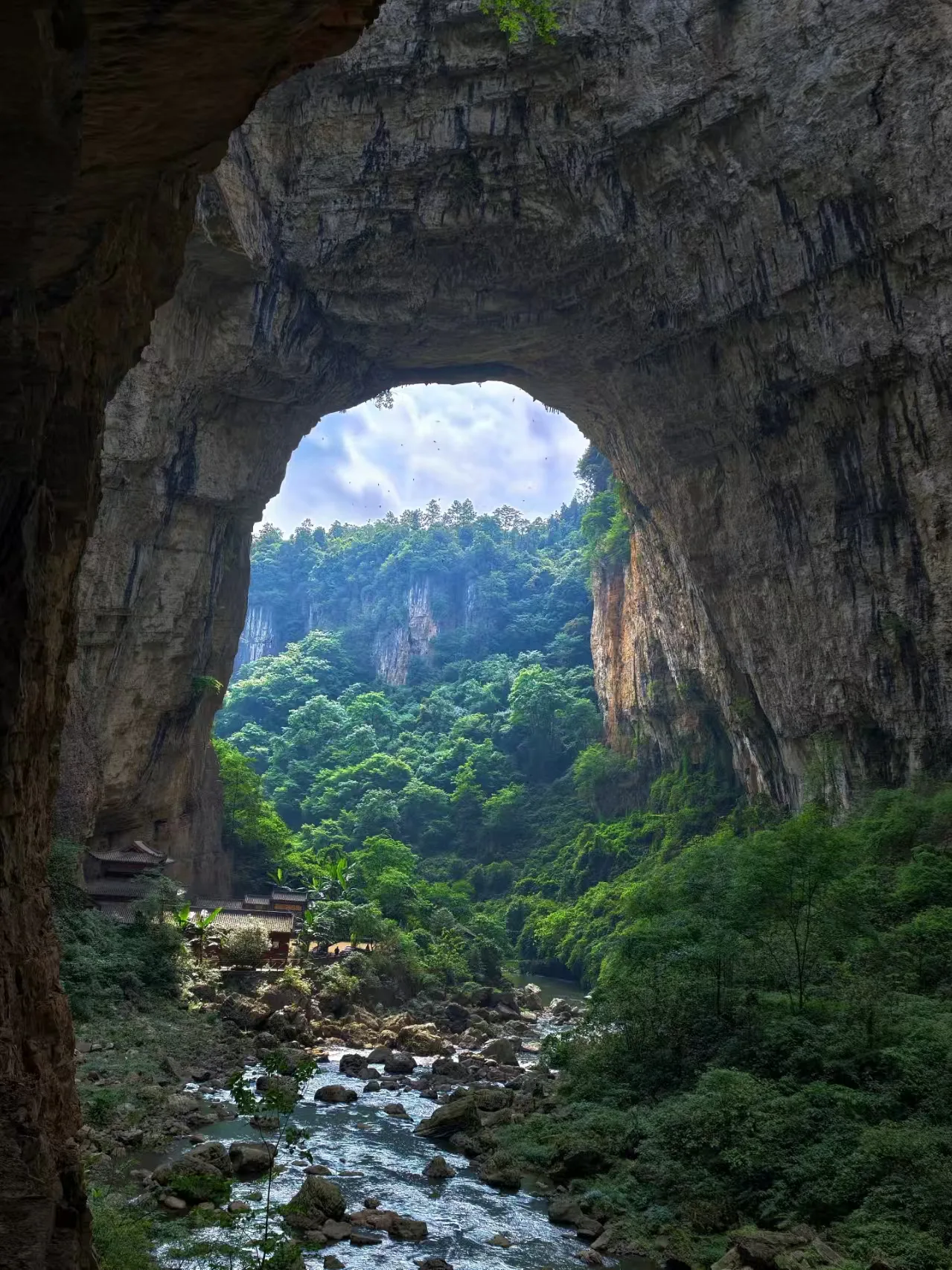
Zhijin Cave is a UNESCO Global Geopark, renowned for its grand scale and rich sedimentary types. The tour route inside the cave is quite long, featuring dozens of halls and numerous stalactite formations, with formations like the Overlord Helmet and Silver Rain Tree being especially famous. The cave's temperature remains low year-round, so even in summer, you need to bring a light jacket.
As a representative of karst caves, Zhijin Cave's lighting design is relatively restrained, relying more on its geological forms to create a sense of impact. It is recommended to wear non-slip shoes and allow about half a day for your visit.
2. Hundreds of Miles Rhododendron
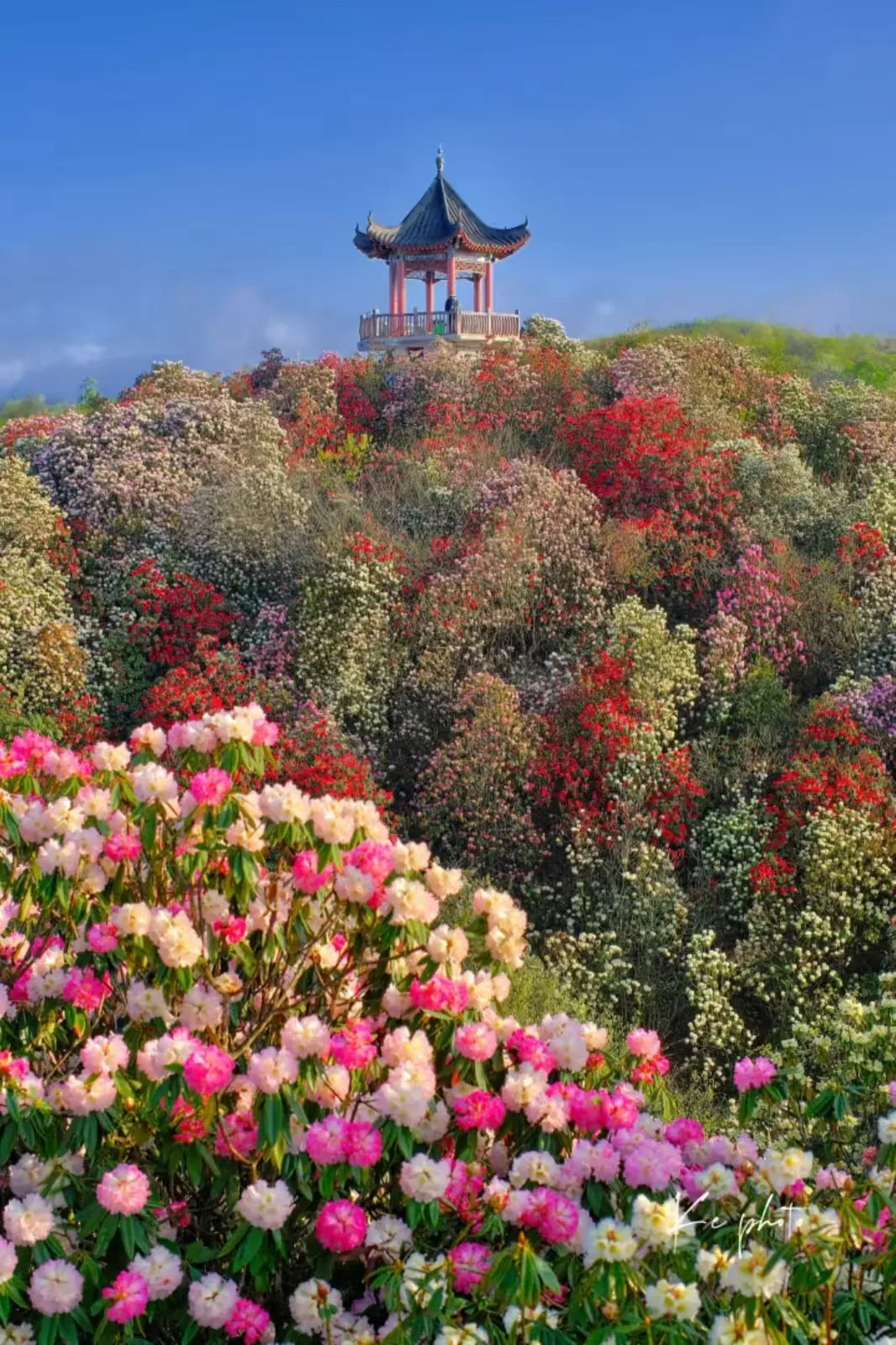
The Hundred-Mile Rhododendron is one of the world's largest natural rhododendron forest belts, with rhododendrons blooming in succession every spring and rich in color layers. Pudi and Jinpo Scenic Areas are the main flower-viewing areas, with blooming periods lasting from March to May.
This is a great place to slow down and hike along the flower path to experience the changing seasons. If you want to overlook the flower sea from above, you can try helicopter sightseeing during certain times, though the actual operation is largely affected by the weather.
3. Weining Caohai
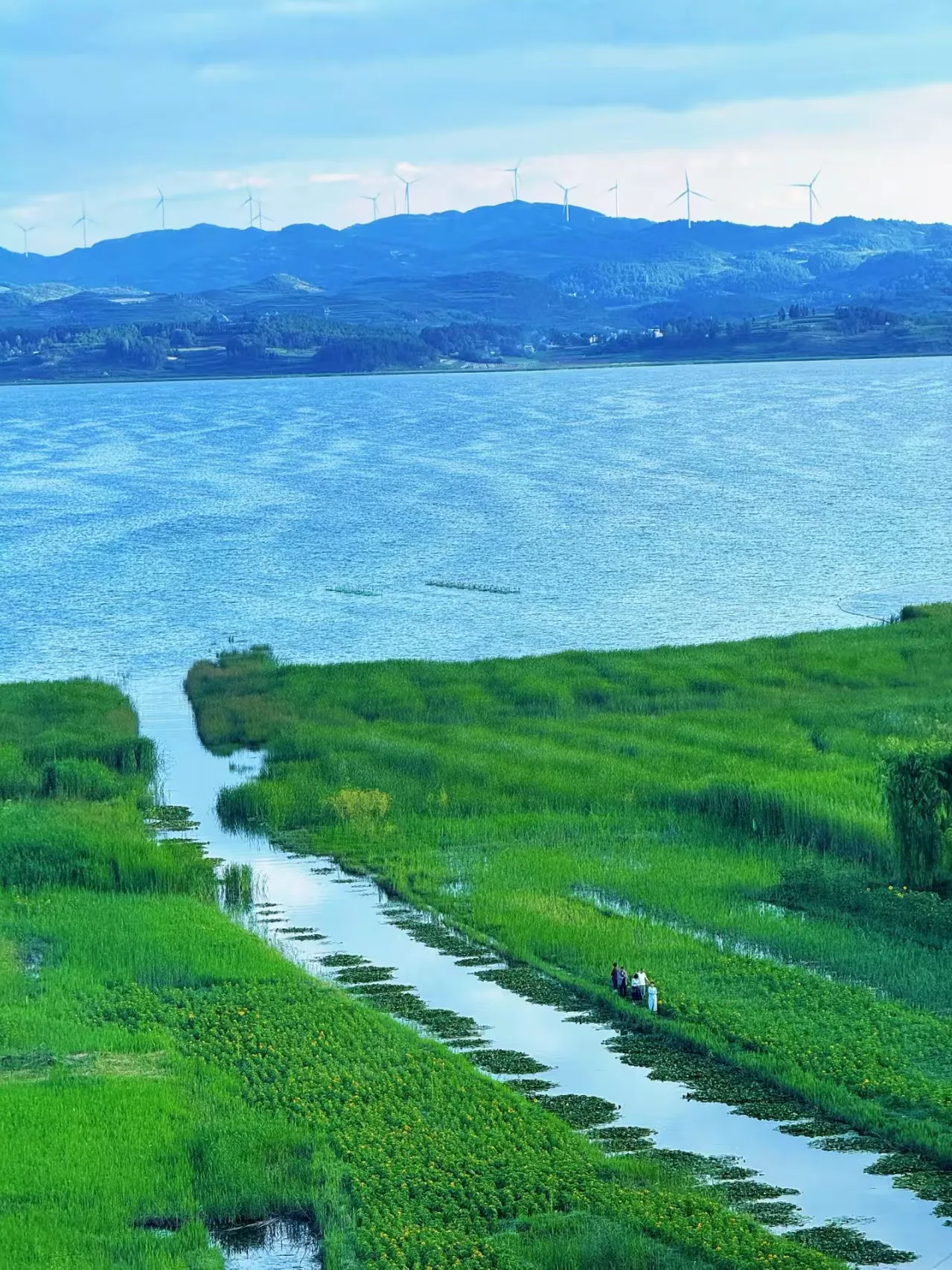
Weining Caohai is an important plateau freshwater lake in Guizhou and one of the habitats for migratory birds. From autumn and winter to early spring, birds such as black-necked cranes and bar-headed geese overwinter here, making birdwatching the most attractive activity in Caohai. In summer, the lake is abundant with abundant water and lush plants, giving the impression of an "underwater grassland."
Caohai's ecological environment is quite sensitive; visitors should follow the reserve's regulations, maintain distance, and avoid disturbing birds. Birdwatching by boat must be done in designated areas.
4. Chive Ping
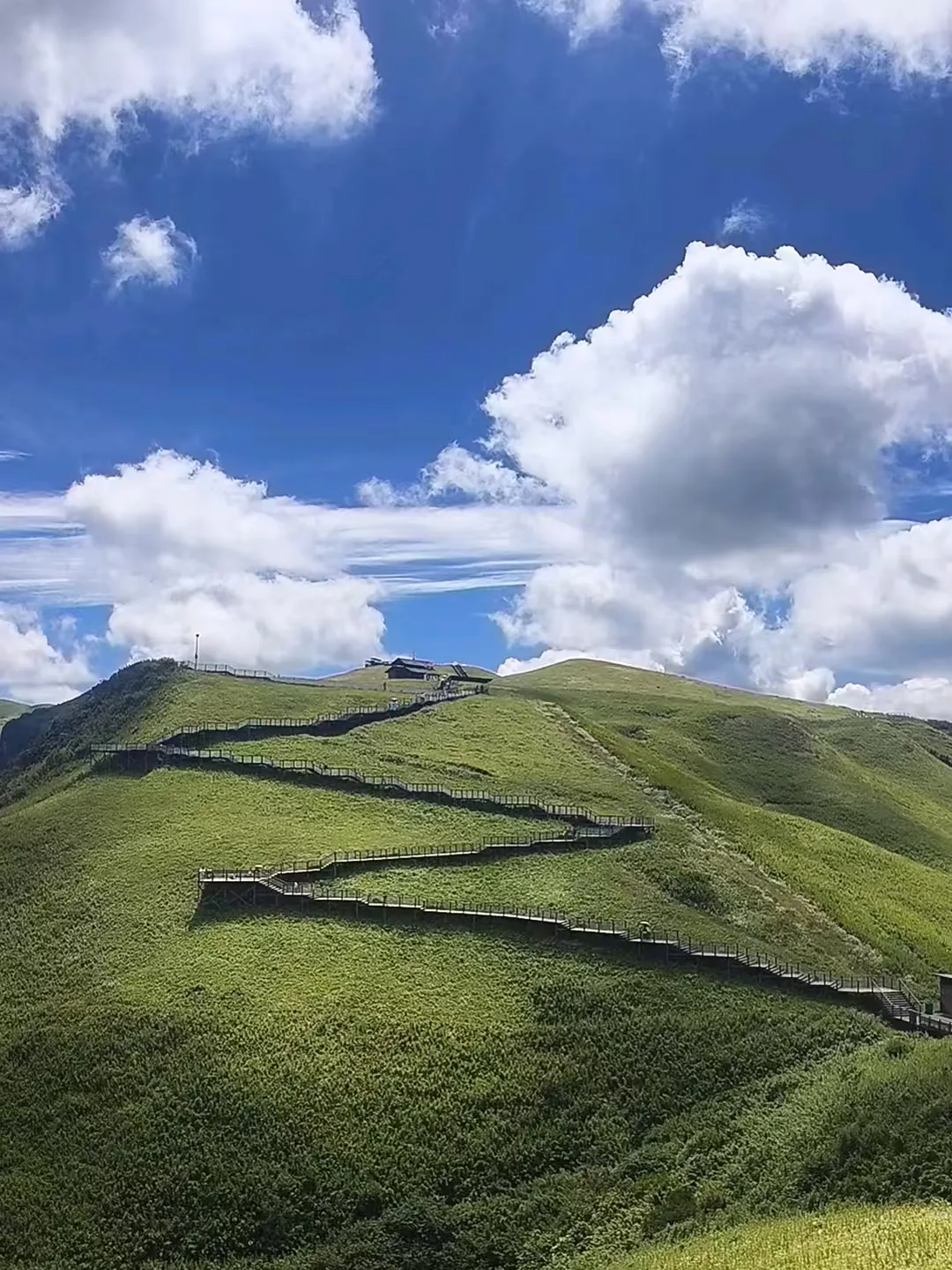
Jiucaiping is located on the roof ridge of Guizhou, at a high altitude. Wild chive flowers bloom in large patches from late summer to early autumn, forming vast areas of purple flower seas. On clear days, the sea of clouds and sunrise scenery create a striking visual impact; in winter, it transforms into a high-altitude ice and snow experience area.
When heading to Jiucaiping, be aware of the dual effects of temperature differences and ultraviolet rays from altitude. Even in summer, it's recommended to bring a windproof jacket and slow down your pace.
5. Nine Caves Heaven
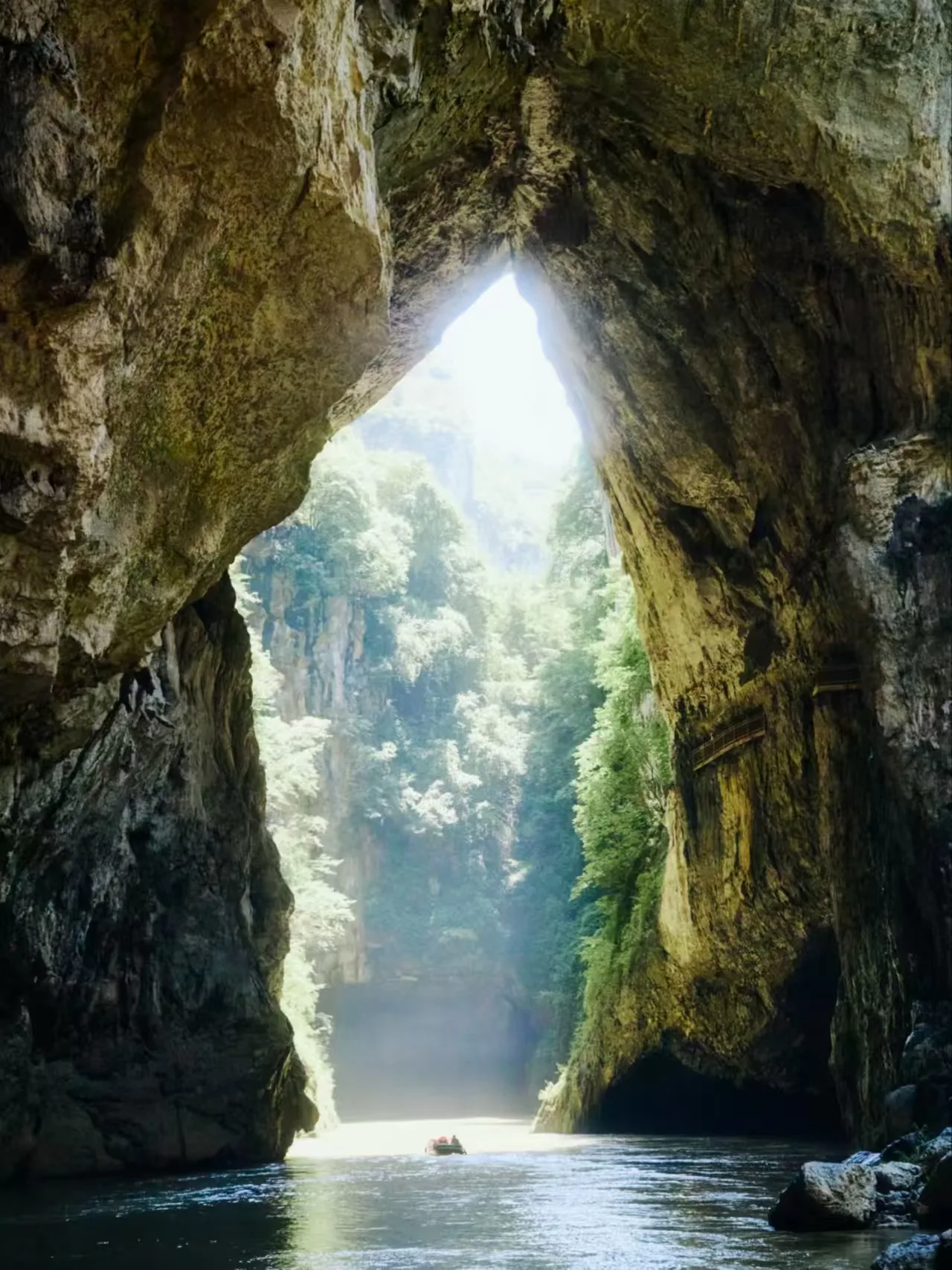
Jiudongtian is known for its karst combinations such as underground streams, natural bridges, sinkholes, and karst caves, with the Liuchong River appearing and disappearing in the gorges. Traveling by boat through the alternating light and shadow of the cave is the most unique way to tour here.
Since some sections require boat tours, pay attention to weather and water level conditions before you go. The contrast between the inside and outside of the cave is significant, so exposure can be adjusted appropriately when shooting.
4. Travel Guide: Flower Sea Karst Cave Grassland Complex
1. Best time to travel
Spring is the blooming season for the hundred-mile rhododendron, suitable for special trips to admire the flowers; Summer has a comfortable average temperature, making it a great season for escaping the heat and exploring karst caves. At the end of summer and beginning of autumn, Jiucai Ping enters the purple flower sea stage, perfect for mountain viewing.
Winter is better for birdwatching and snowy experiences, with the migratory bird scenery at Caohai and the snowy scenery at Jiucaiping each offering their own highlights. Overall, Bijie offers activities throughout the four seasons, but you should choose the time based on your personal interests.
2. Transportation guide
Bijie Feixiong Airport connects multiple cities, making it relatively convenient to reach the city center after landing. High-speed rail can quickly reach you from Guiyang, Chengdu, Chongqing, and other cities. Scenic spots within the city are scattered, so self-driving or chartered cars are relatively flexible options.
If departing from Guiyang, you can first take the high-speed train to Bijie Station, then connect scenic areas in the east, central, and west directions. Allow sufficient time for travel between different scenic spots to avoid rushing your itinerary.
3. Must-try delicacies
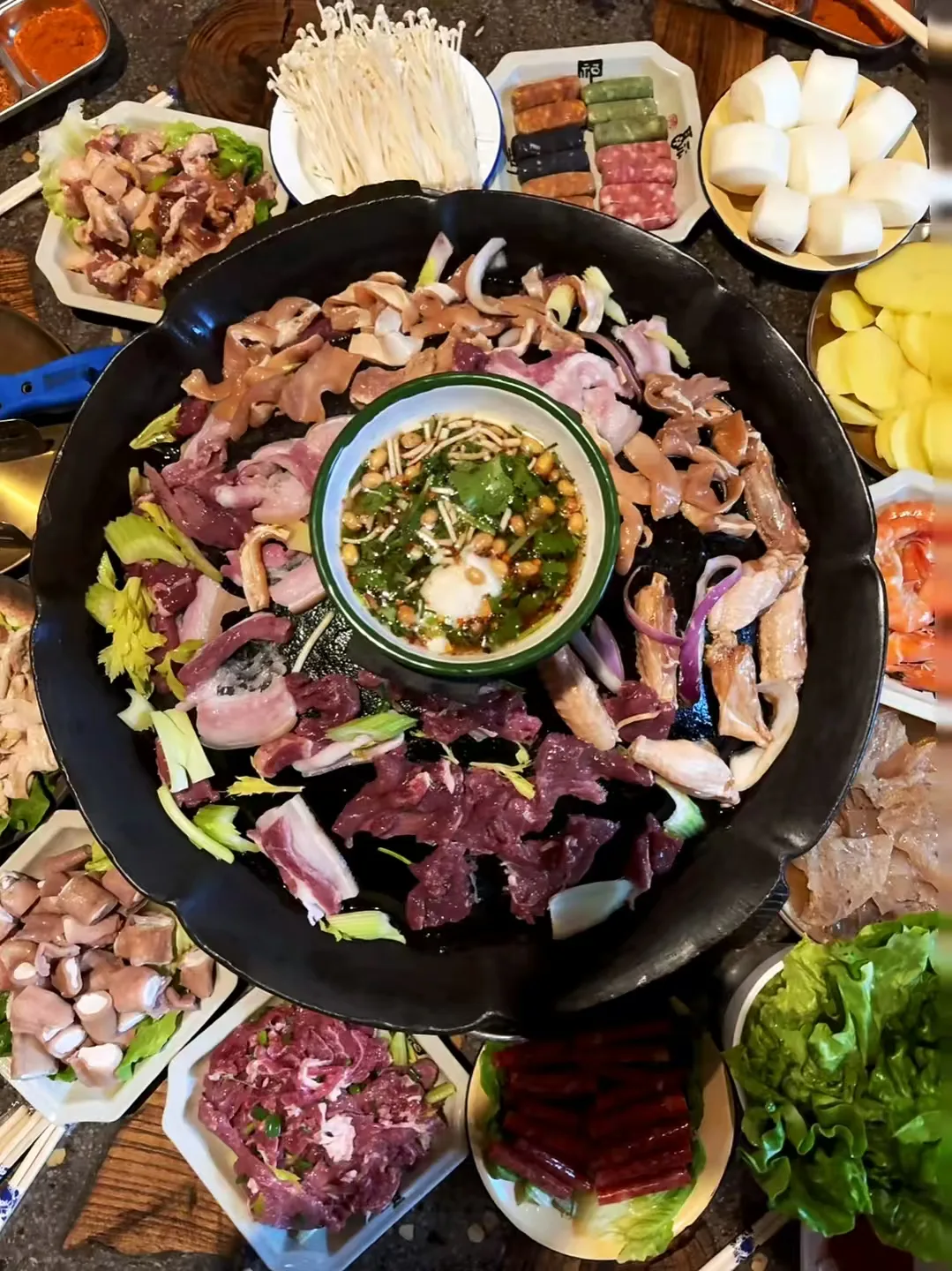
Bijie Laoguo is a representative local late-night snack and snack, featuring a variety of ingredients cooked in a pot for a spicy, satisfying taste. Snacks like Weining Xiaobaba, Dafang Stinky Tofu, and Zhijin Buckwheat Liangfen each have their own unique flavors, and street shops often have a more local atmosphere.
Ethnic flavors are also worth trying, with Yi dishes like the Eight Big Bowls and Sour Soup Fish reflecting the sour, spicy, and fermented mountain cuisine traditions. When ordering, you can mix and match according to the number of people to avoid waste.
4. Accommodation recommendations
There are many accommodation options in Qixingguan District, making transportation and living convenient, making it a good transit point for your itinerary. There are resort-style homestays and hotels around Baili Dujuan and Zhijin Cave, making it convenient to leave early and return late to enjoy the scenery or enter the cave.
If you are heading to Caohai or Jiucaiping, consider staying in county towns like Weining or Hezhang, where rooms are relatively simple but closer to the scenic area. During peak season, it is recommended to book in advance.
5. Classic 4-day itinerary
You can arrange to travel from the city center to Zhijin Cave on the first day to see the cave scenery and visit the Zhijin Grand Canyon.
On the second day, go to Baili Rhododendron and switch between Pudi and Jinpo scenic areas to experience the layers of the sea of flowers.
On the third day, depart from Baili Dujuan and head to Jiucaiping, waiting for the sea of clouds or sunset.
On the fourth day, we went birdwatching at Caohai in Weining, then returned.
This is just a relatively tight loop, suitable for first-time visitors with limited time. If your vacation is more flexible, you can add Jiudongtian, Wujiangyuan Hundred-Mile Gallery, and more.
6. Pre-trip tips
Some areas in Bijie have high altitudes, so strenuous exercise is not recommended when first arriving and should be appropriately hydrated. The plateau has strong sunlight, so sun protection and wind protection are very important. Mountainous weather is variable with large temperature differences between morning and evening, so it is recommended to carry light jackets and rain gear.
When entering ethnic villages or religious sites, local customs should be respected, and permission must be obtained before filming. Do not feed animals or enter off-site areas within the nature reserve.
5. Frequently Asked Questions (FAQ)
Q: When is the best time to visit Bijie?
Spring flower viewing, summer retreat, autumn hiking, and winter birdwatching are all suitable seasons. You can choose the month based on the scenery you want to see.
Q: How can I check tickets and transportation for scenic spots?
You can check real-time tickets, routes, and reservation information in advance through platforms like Tongcheng Travel to avoid wasting time during peak seasons.
Q: Is it convenient to travel alone?
High-speed rail and airport are accessible, but the distances between scenic spots are quite far. It is recommended to plan your private car or self-driving route in advance and allow enough transfer time.