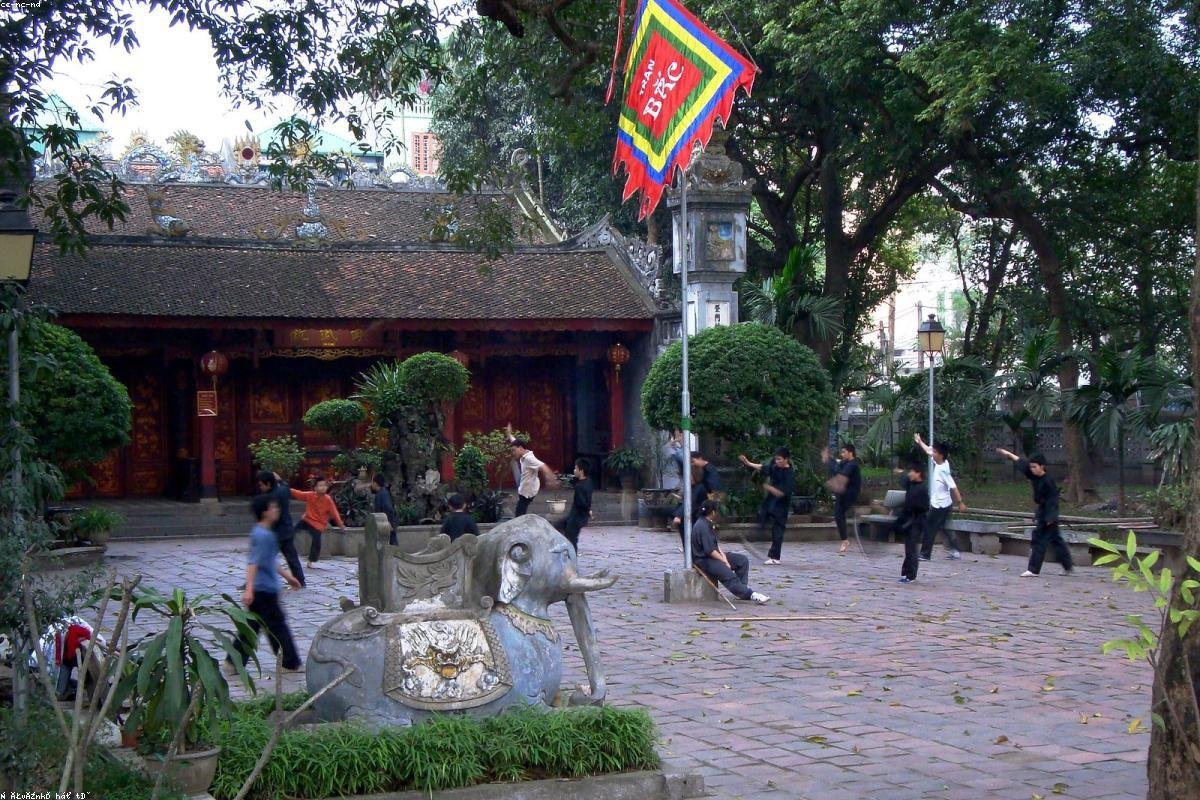
Shaolin Temple is the ancestral temple of Chan Buddhism and is synonymous with kung fu. A day of commuting, through the sound of bells and fists and kicks, one understands the unity of Zen and martial arts.
The three characters 'Shaolin Temple' at the mountain gate where he often stayed were inscribed by Kangxi. Passing through the Hall of Heavenly Kings and the Mahavira Hall, one could faintly hear the shouting of the training room amid the incense smoke.
The Pagoda Forest is a group of tombs and pagodas for eminent monks throughout history, with over 200 brick and stone pagodas of various shapes, making it the largest ancient pagoda complex in China. The setting sun casts a shadow of the pagoda, solemn as if in history.
Watch a martial arts performance, where the young monk moves and flies, his staff stirring the wind. When "Zen and Martial Harmony" transforms from a slogan into fist and kick, you'll understand why kung fu can be spread worldwide.
The Snow Pavilion hides the story of 'losing one's arm to seek the Dharma,' and nearby is the stone cave where Bodhidharma faced the wall for nine years. Zen has never been an easy matter.
Shaolin's toughness means turning cultivation into muscle. The moment you see the novice wiping sweat, you'll understand: true softness is often hidden in the hardest skills.
Route fragment
1 day
- Day 1: Shaolin is often hospitalized, Talin, martial arts performance, and return