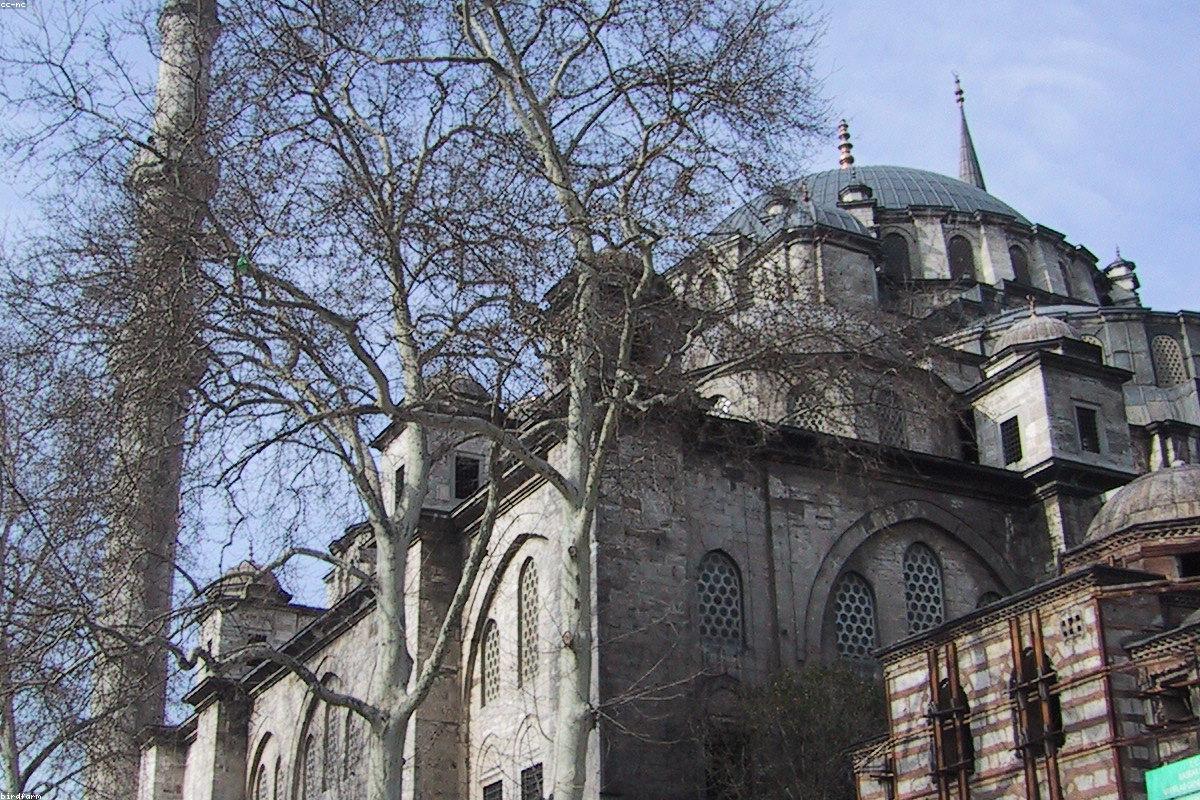
Istanbul is the only city spanning two continents: Eurasia. Five days and four nights, from the dome of Hagia Sophia to the sea breeze of the Bosphorus, reading a history of Byzantine and Ottoman empires amid the bells of minarets and churches.
Hagia Sophia was the first shock of the visit. This 1,500-year-old building was once an Orthodox church and mosque, and now serves as a museum. The massive dome seems to float in the air, with mosaic mosaics and Arabic calligraphy conversing in the same space—a living fossil of the change of civilization.
Opposite is the Blue Mosque, famous for its six minarets and over 20,000 blue and white tiles. Inside, light streams through stained glass onto the prayer carpet, so quiet you can hear your own breath. The morning chorus echoes over the old city.
Cruise the Bosphorus by boat, with Europe on your left and Asia on your right. Ottoman old houses, castles, and modern bridges alternate along the shore, with seagulls chasing the stern of the boat. Having a cup of black tea in a neighborhood along the Asian coast is what it means to truly "cross continents."
Entering the Grand Bazaar and Spice Market, beneath the 500-year-old dome, carpets, bronzeware, saffron, and Turkish delight are dazzlingly displayed. Bargaining is fun, and a cup of apple tea handed to you by the shop is a tacit understanding.
The charm of Istanbul lies in the reconciliation of two civilizations under one roof. When you sit at the Galata Bridge watching seagulls cross two continents, you'll understand why this city keeps people coming back again and again—it never belongs to one side, yet it embraces all.
Route fragment
5 days and 4 nights
- Day 1: Old Town, Hagia Sophia and the Blue Mosque
- Day 2 Topkapi Palace, Grand Bazaar
- Day 3: Bosphorus Strait cruise
- Day 4 Independence Street, Galata
- Day 5: Kadykoy, Asian coast, return journey