"The poplar tree is born and never dies for a thousand years; it dies for a thousand years without falling; it falls but never decays for a thousand years." Four days and three nights, in the golden forest and strange woods of Ejina, I read this sentence until my eyes grew hot.
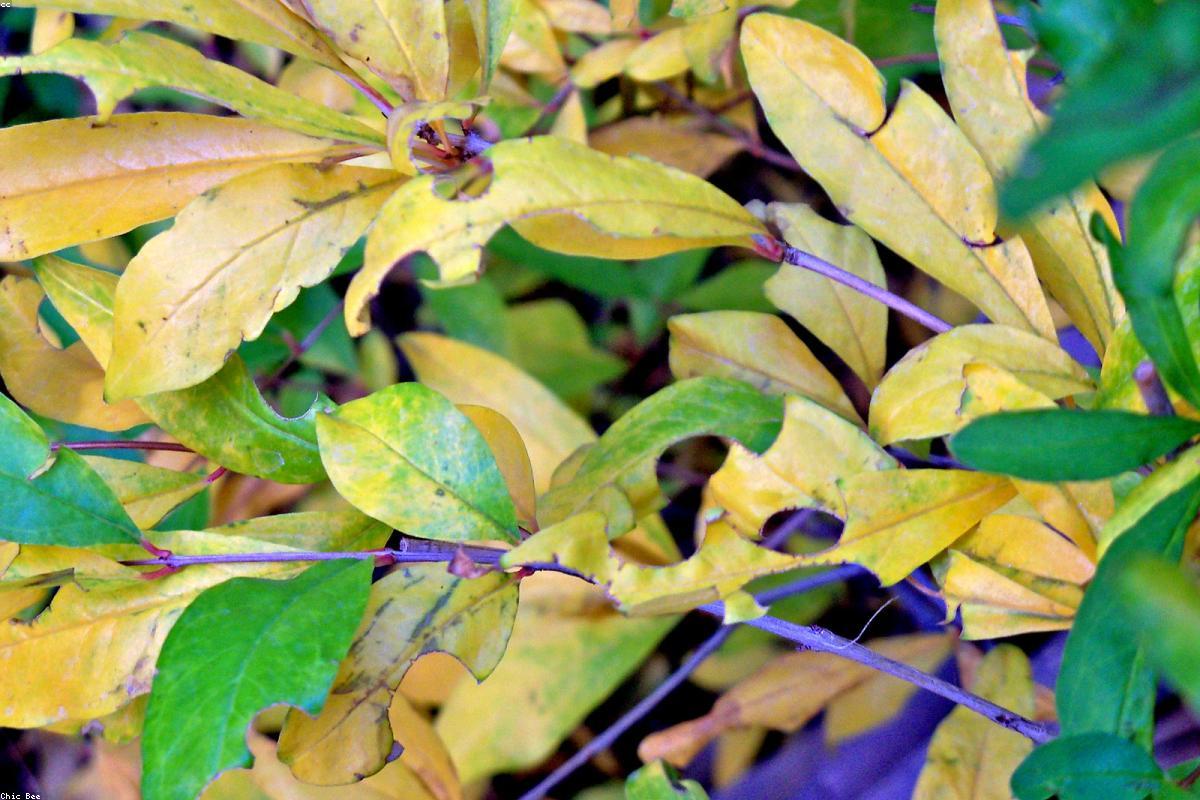
Ejina in October is China's most intense autumn. From Erdaoqiao to Badaoqiao, the poplar forest is golden, with leaves that seem to ignite in the sunlight. By the Ruoshui River, golden reflections collide with the blue sky—this is the photographer's yearly dedication to this moment.
The strange forest is another kind of shock. Withered poplars stand in various postures on the Gobi, their branches like claws, like people, like beasts, casting long shadows in the setting sun. They "die and do not fall for a thousand years," serving as monuments to the stubbornness of life.
Entering the ruins of Heicheng, this ancient Western Xia city is half-shrouded in wind and sand. Ruined walls, pagodas, and quicksand intertwine, with the edge of the Badain Jaran Desert stretching far away. Standing atop the city walls, the wind carries the camel bells and golden spears from a thousand years ago.
The Juyan Sea in the desert is an oasis miracle. This lake endures tenaciously in the desert, with flocks of migratory birds in the reeds, and at sunrise, the water and sky are dyed in harmony. From extreme drought to extreme humidity, Ejina has taken the contrast to the extreme.
What Ejina teaches people is a kind of romance that defies time. When the golden poplars rustle in the wind, you will understand that some beauties are destined to be short-lived. It is precisely because of their briefness that it is worth crossing mountains and valleys to make a promise.
Route fragment
4 days and 3 nights
- Day 1 Zhangye/Jiuquan → Ejin, strange forests at sunset
- Day 2: From the second to the eighth bridge in the poplar forest
- Day 3: Heicheng Ruins, Juyan Sea
- Day 4: Return trip