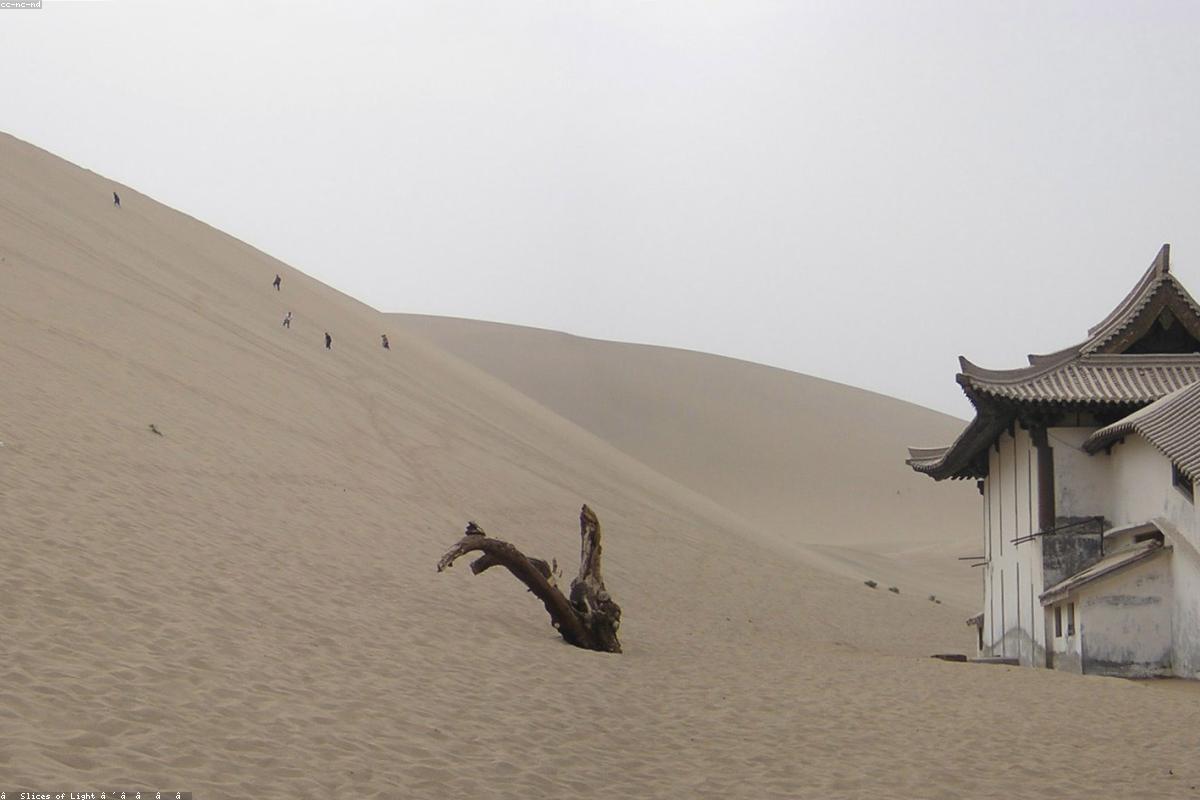
Dunhuang is the most dazzling stop on the Silk Road. Four days and three nights, from the millennium-old murals of the Mogao Caves to the camel bells of Mingsha Mountain, you hear the echoes of history between the yellow sands and oases.
The soul of Dunhuang lies in the Mogao Caves. Over seven hundred caves were carved on the eastern foothills of Mingsha Mountain, with murals and painted sculptures spanning ten dynasties. With a flashlight from the guide, the flying robes and the faces of the beholders came alive in the darkness, bringing a thousand years of time before your eyes.
At dusk, I go to Mingsha Mountain and Crescent Spring. Climbing to the top of the sand dunes, I watch the sunset dye the sea of sand golden, and a crescent-shaped spring lies in the valley for thousands of years, never drying up. Riding camels in procession, the sound of camel bells feels like returning to the era of merchant travel.
Leaving Yumen Pass to the west, the desolation of 'the spring breeze never crosses Yumen Pass' hits you. The remaining earthen walls stand alone on the Gobi, with the endless Han Great Wall beacon towers in the distance. The wind brushes past your ears, as if you hear a frontier poem from two thousand years ago.
Next, visit Yardan Devil City. The wind-eroded mounds are carved into castles, ships, and animals, turning crimson at sunset. The wind wails through the ravines, making a whimpering sound—a truly 'devil's' land, yet breathtakingly beautiful.
What Dunhuang gives you is a sense of a trance that transcends time and space. When you stand atop Mingsha Mountain and look at Crescent Spring, you'll understand why countless travelers regard this place as their spiritual home. When leaving, the hem of your clothes was still stained with the fine sand of the desert.
Route fragment
4 days and 3 nights
- Day 1: Arrive in Dunhuang, Mingsha Mountain Crescent Spring
- Day 2: Mogao Caves All day
- Day 3: Yumen Pass and Yardang Devil City
- Day 4 Yangguan, return journey