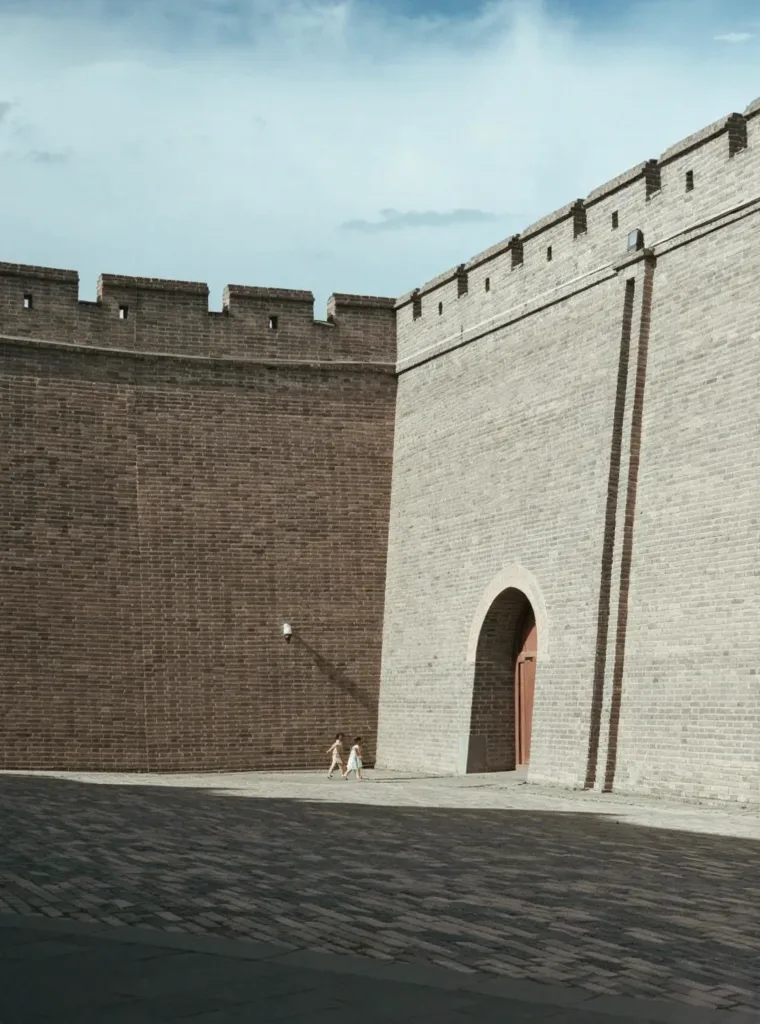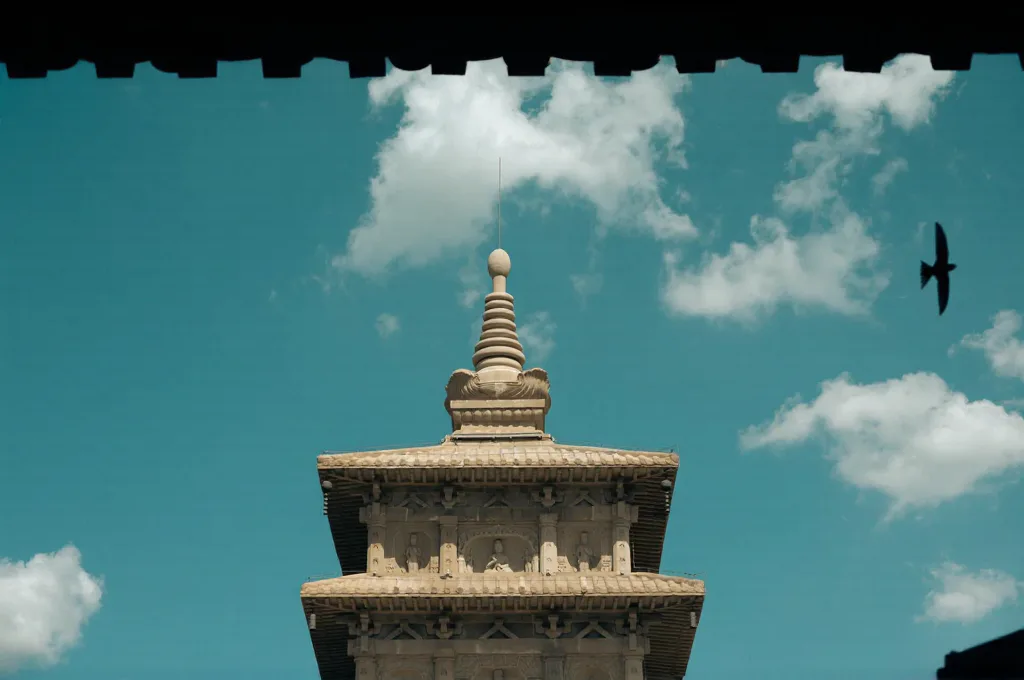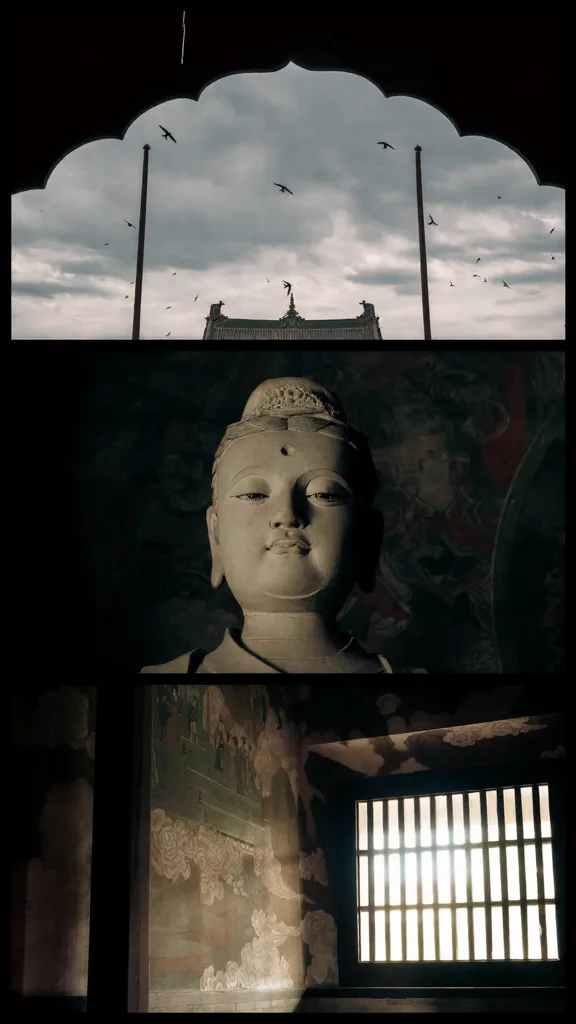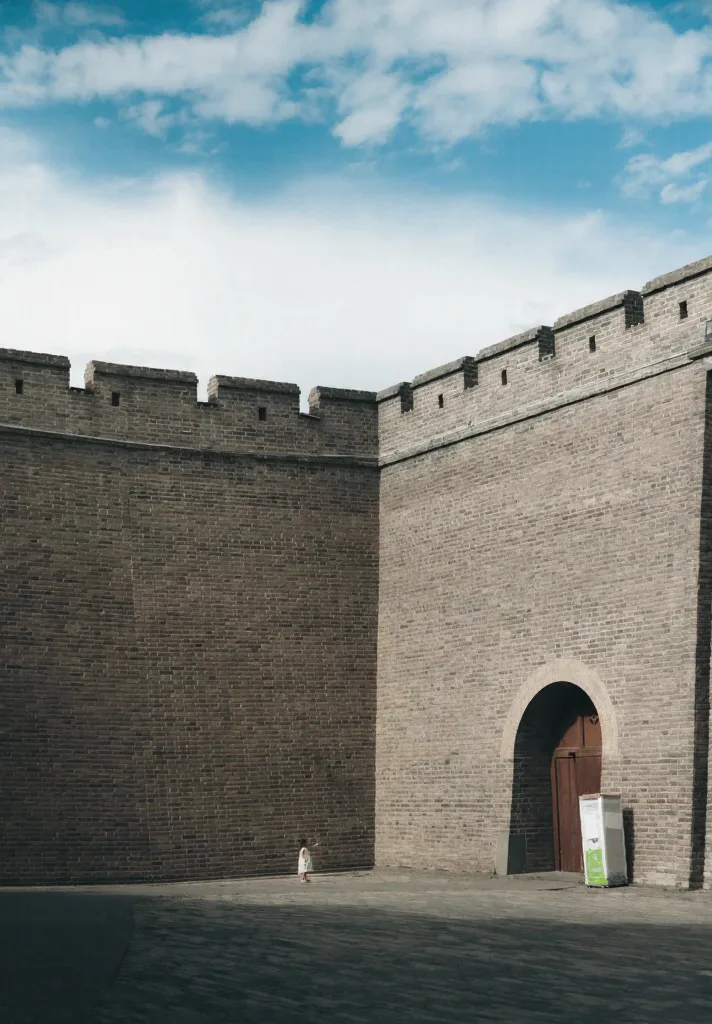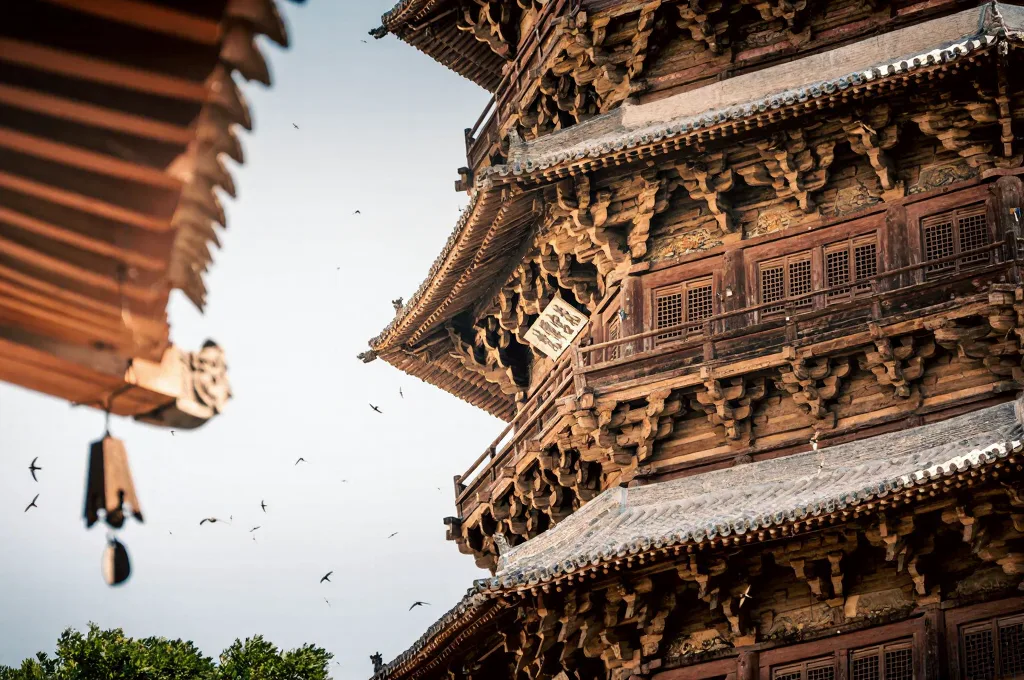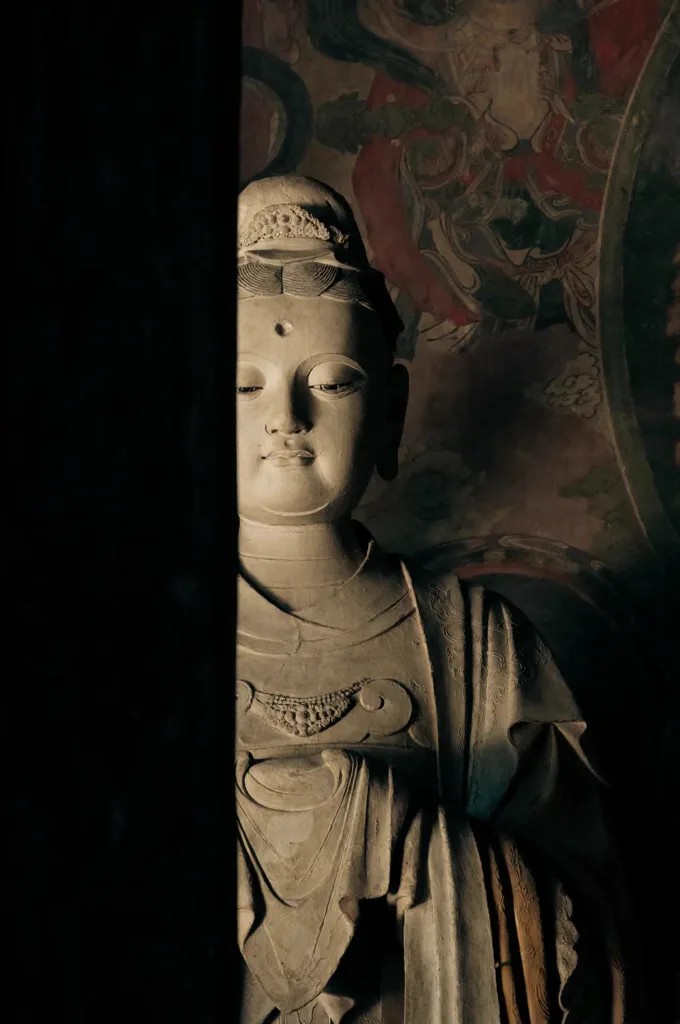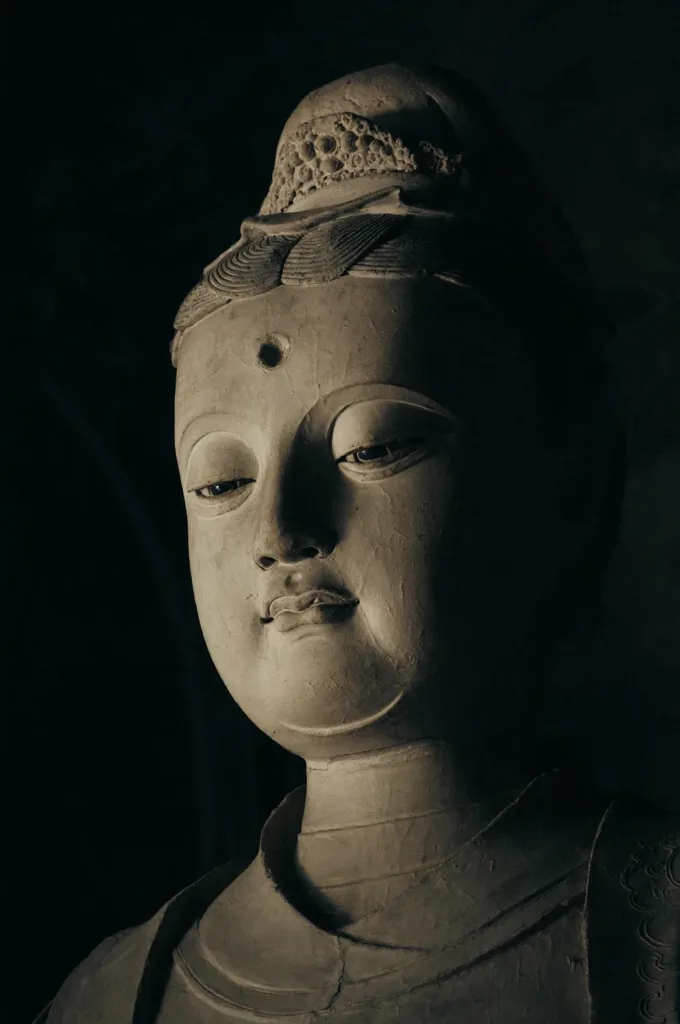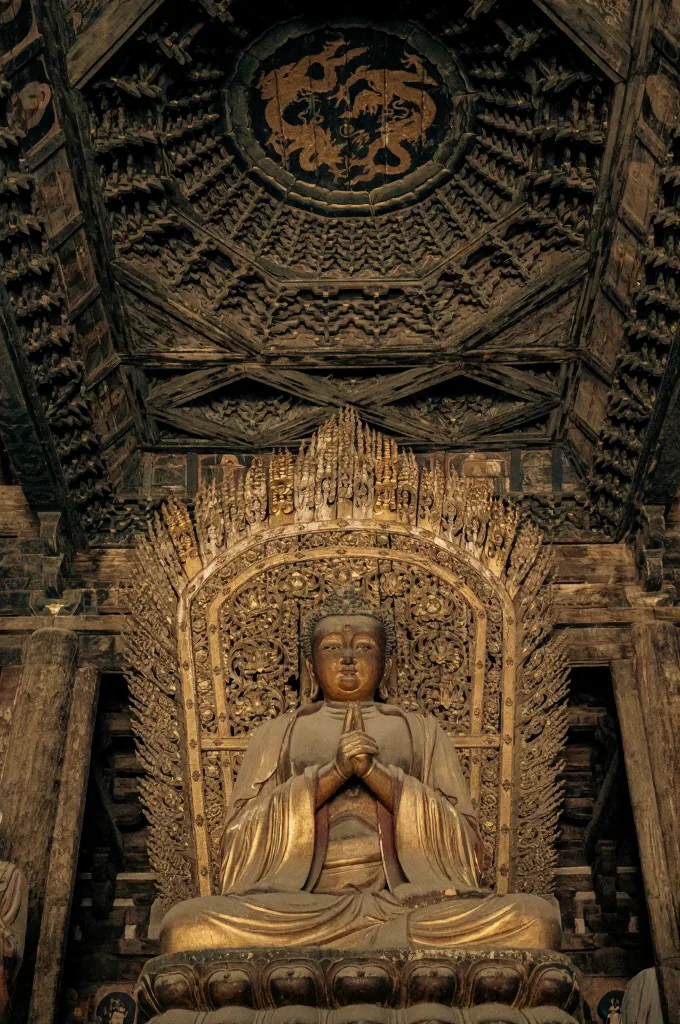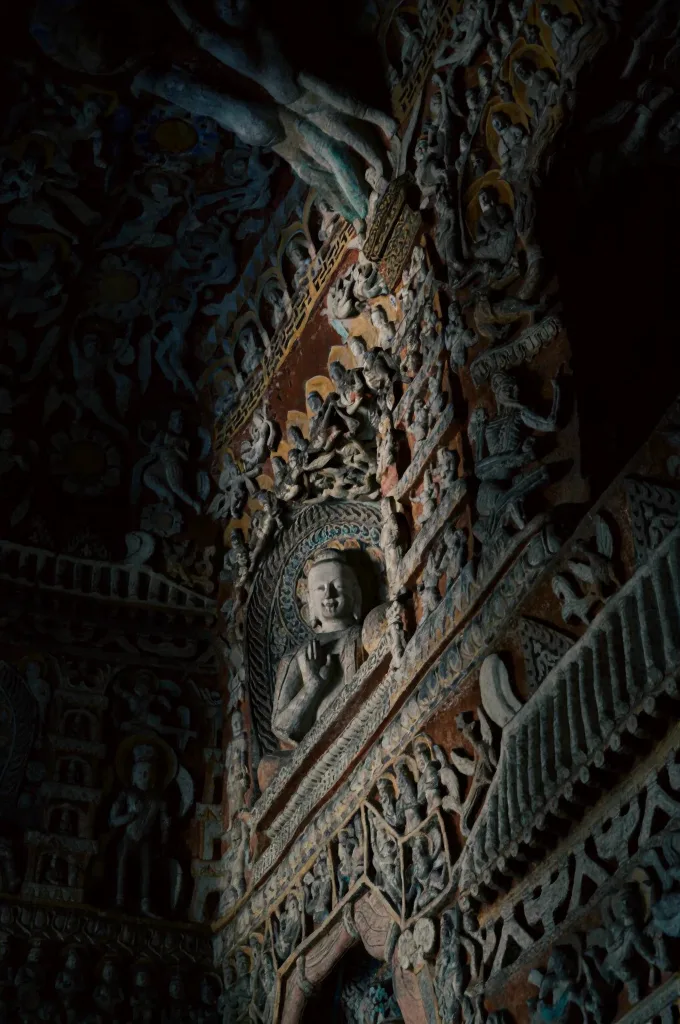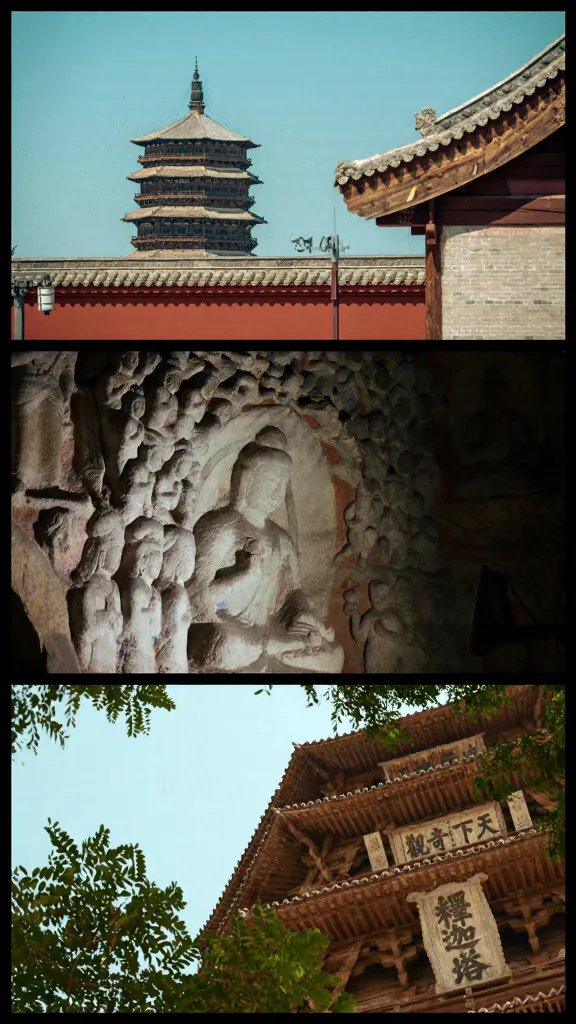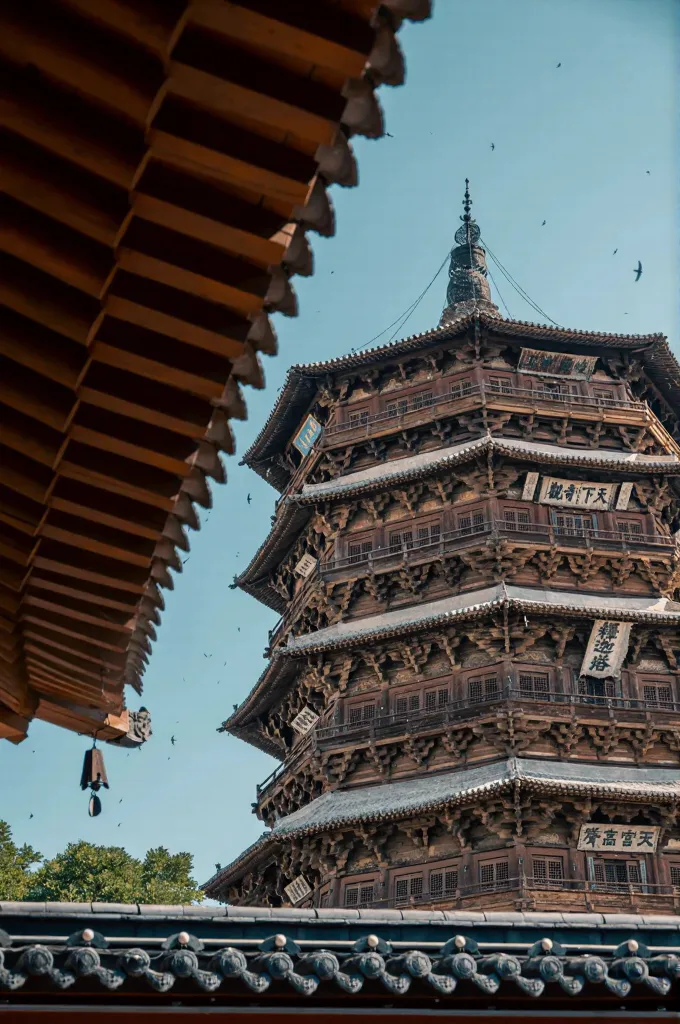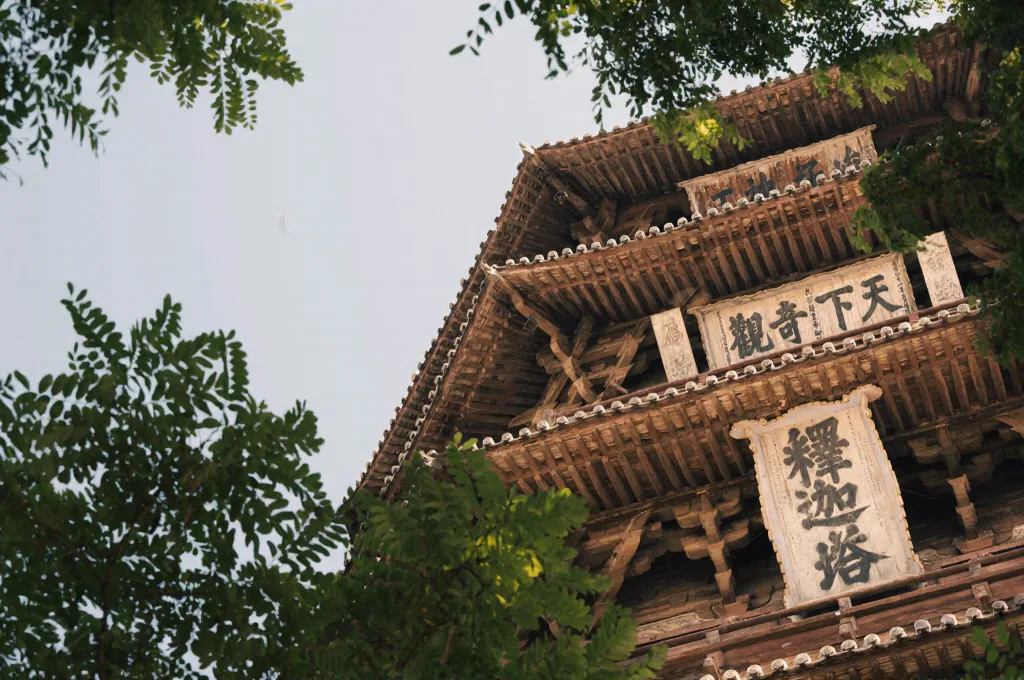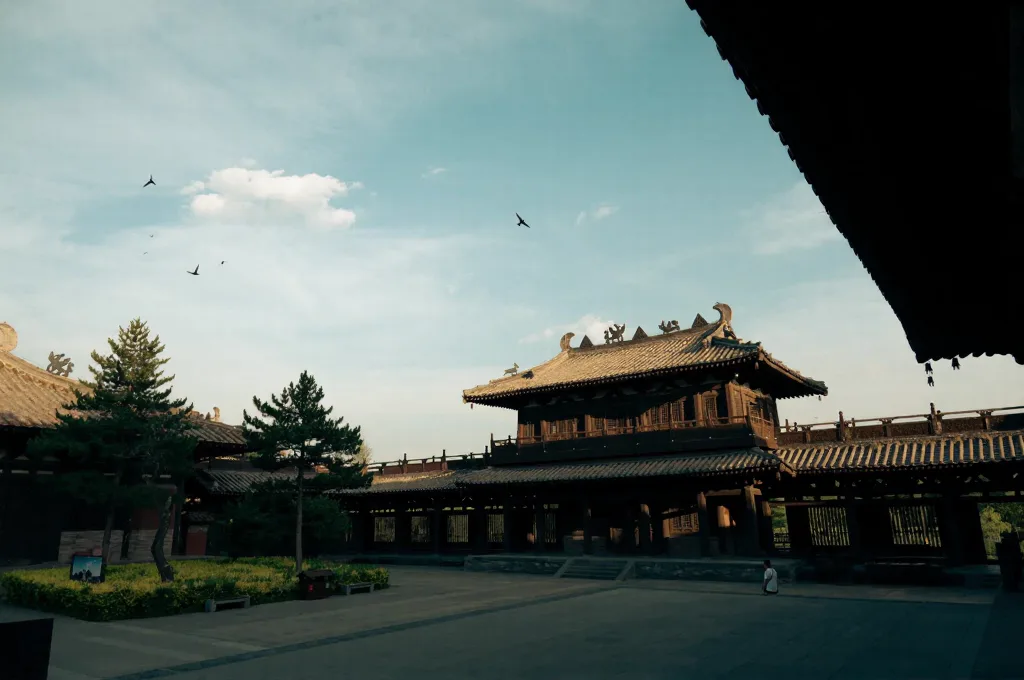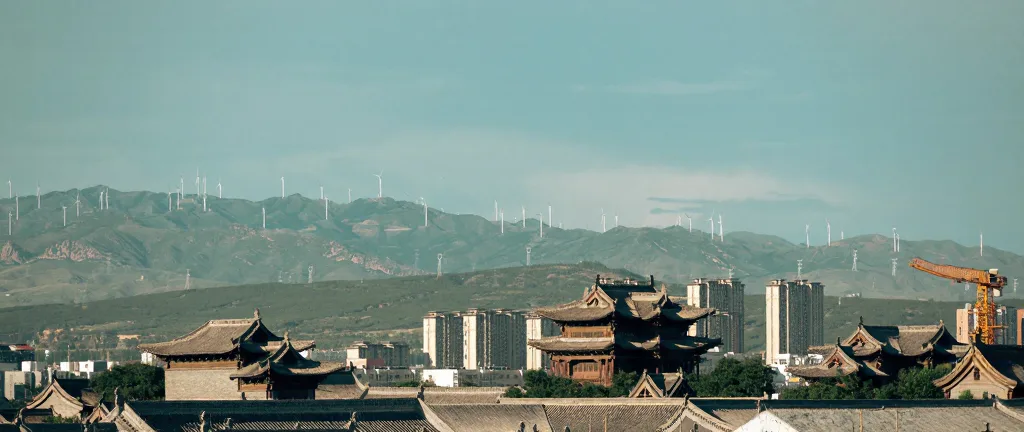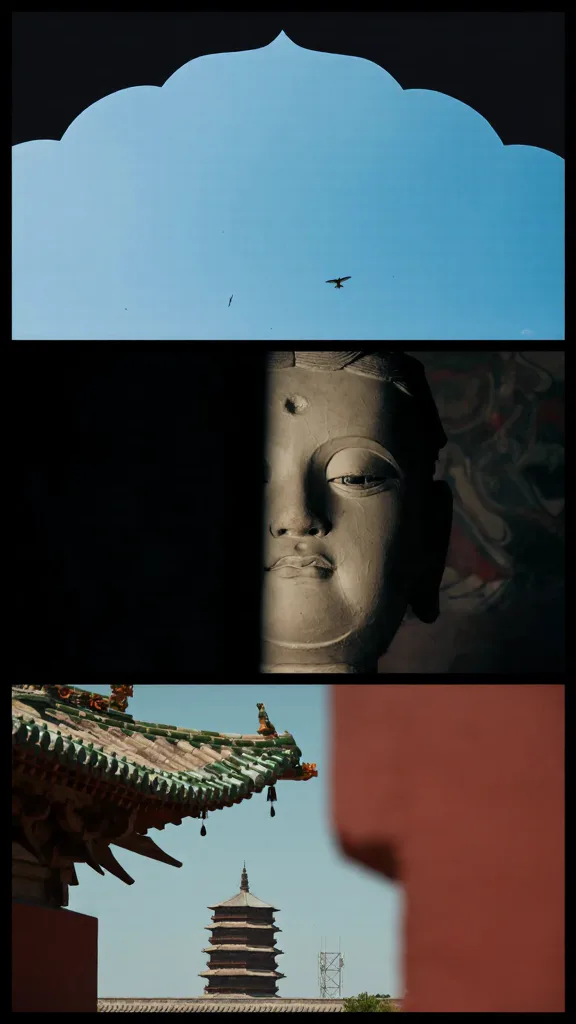
Datong, Shanxi, formerly known as Pingcheng, is a fortress of the Han dynasties, a capital of Northern Wei, a secondary capital of Liao-Jin, a major town in the Ming and Qing dynasties, and one of China's first nationally recognized historical and cultural cities. It boasts a profound historical heritage, home to the Yungang Grottoes, a UNESCO World Heritage site, where Buddhist statues were carved over 1,500 years ago and are grand and imposing; There is also a hanging temple built on cliffs, as well as the grand Liao-Jin structures such as Huayan Temple and Shanhua Temple. The city wall of Datong Ancient City has a circumference of 7.24 kilometers, with numerous historic sites inside and modern new towns outside. Its unique blend of old and modern is its unique character. Today, Datong is moving from a "coal capital" to becoming a cultural and tourism destination. When you come here, don't forget to try authentic knife-cut noodles and other specialty foods to experience the unique charm of this ancient capital.
Datong
Back in 2013, I was just in middle school. By chance, I heard Tang Yuanfei's 'My Datong.' That gentle melody instantly overshadowed the label of 'coal mine.' For the first time, I realized that Datong is actually 'soft.'
Later, when I went to college, I liked a girl who happened to be from Datong. The word "Datong" gently shook out of my memory once again, then sank down, just like the path where we met and parted.
When I was in graduate school, I watched a documentary about the mayor of Datong. In the film, the tracks of Datong pause and move forward in the yellow sands; people want to break free from the constraints of the times, yet must face history. I only remember the image of the city wall, probably because it was right beside the noise, so silent. It just watched the crowd pass by in batches, connecting the past and looking toward the future.
So, when I decided to go to Datong alone, it felt like meeting an old friend I hadn't seen in a long time, who also reflected my past and present.
During the four days I stayed there, this song kept playing in my headphones. The familiar lyrics always brought me a strange feeling during my journey. "Endless yellow sand" is the dust stirred up in the dirt forest. I finally understood what "blur" meant—time keeps brushing past my body, leaving indelible marks. I asked the city over and over: "After all this, do you remember?" "I long to be seen, but in fact, standing here alone is the answer in itself."
"Birds fly / leaves fall" refers to the cliff swallows circling beside the grottoes and wooden pagoda, and the ancient trees in Shanhua Temple. In summer in Datong, I imagine how the birds migrate, how the leaves wither, and what rhythms they follow. In the Northern Wei and Liao-Jin dynasties, history repeats itself; people come and go, which naturally gives a sense of liberation. "How many years have passed?" I try to observe a kind of "constancy."
"The waters of Wuzhou River have flowed with twists and turns for thousands of years." Now, beside the Shilihe Bridge, the wide riverbed is surrounded by power plants and residential complexes. According to Teacher Ma, sometimes villagers still herd sheep here. You can still see a kind of slow "primitiveness" constantly pulling at each other, and what I see in those grottoes and ancient buildings is precisely this kind of "tension." In the past, a certain kind of "tolerance" toward foreign art probably did not swallow up local culture, just as you cannot erase the flock of sheep by the condensation tower.
In the departure lounge back to Chengdu, I watched the land ripple with golden light in the afterglow, and my mind was also on the last line of the song: "Is the river in my heart still there?" Staying, and what did it take away? Are you okay? I let out a long sigh of relief, closed my eyes, and considered it a farewell.