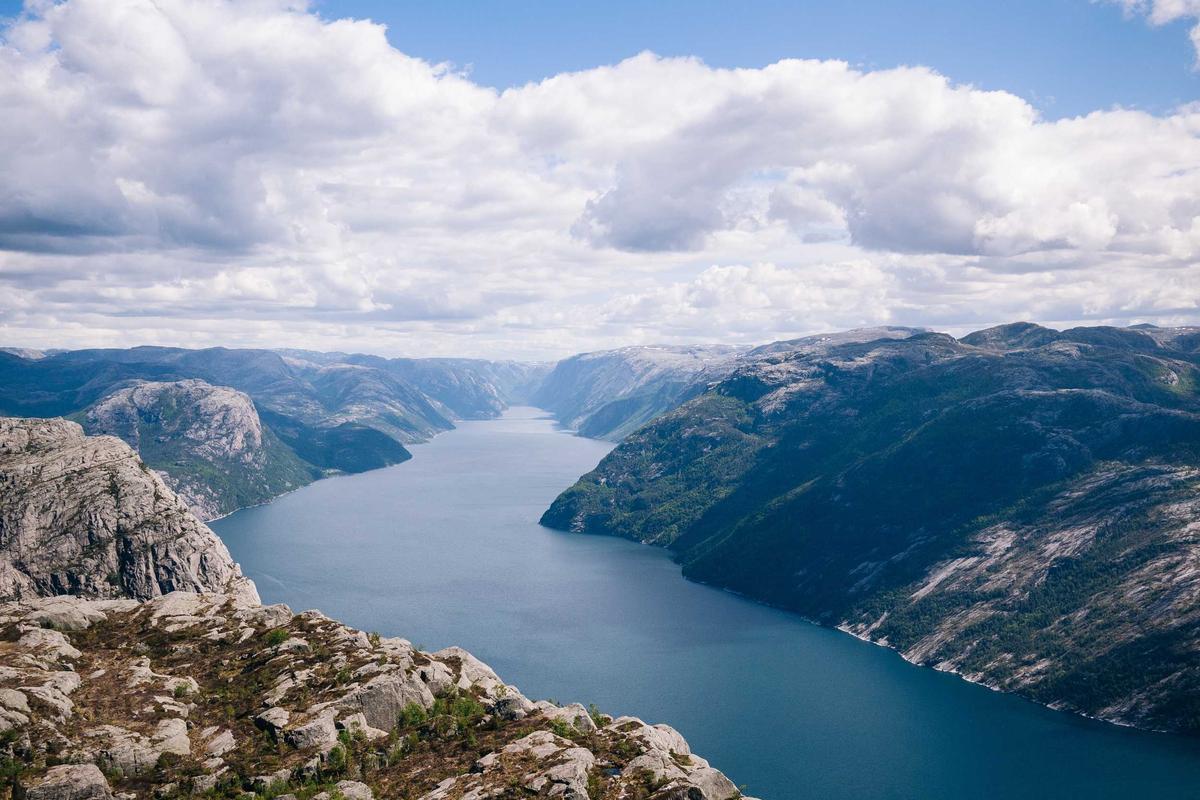
Lhasa is a highland holy city and the heart of Tibetan culture.
Why go to Lhasa?
Lhasa is a highland holy city and the heart of Tibetan culture. The Potala Palace, Jokhang Temple, and Barkhor Street together form a unique spiritual geography. At 3650 meters above sea level, the pace slows down, sunlight shines through, and faith is visible.
A must-visit attraction
Potala Palace: World Cultural Heritage Site. It's recommended to book tickets in advance, with a visit lasting about 2 hours.
Jokhang Temple: The life-sized statue of Shakyamuni is located, and the sight of pilgrims circling the temple in worship is truly moving.
Barkhor Street: Circular Road is also bustling, with sweet tea houses and thangka shops interspersed.
Food map
Tibetan noodles, sweet tea, and yak meat buns are the daily trio. Guangming Port Qiongtian Teahouse is a gathering place for locals; a cup of sweet tea costs a few cents and you can sit all afternoon. The yogurt is a bit sour, but adding sugar makes it smoother.
Transportation and accommodation
Lhasa Gonggar Airport is about 60 kilometers from the city center, and the airport shuttle bus takes about 1 hour.
Accommodations are concentrated around Barkhor Street and the train station area; the former is convenient for sightseeing, while the latter offers great value for money. It is recommended to rest for a day to acclimate to the plateau upon arrival.
Recommended 3-day itinerary
Day 1: Potala Palace + Barkhor Street to get used to the altitude.
Day 2: Jokhang Temple + Jokhang Temple + Tibetan Culture Experience.
Day 3: Drepung Monastery or Namtso day trip (depending on stamina).
FAQ
Q: Is altitude sickness severe?
Most people in Lhasa only experience mild headaches, which can be relieved by walking slowly, drinking plenty of water, and not bathing on the first night.
Q: When is the best time to go?
The weather is most comfortable from May to October, while the Shoton Festival atmosphere is strongest in August.