In depth
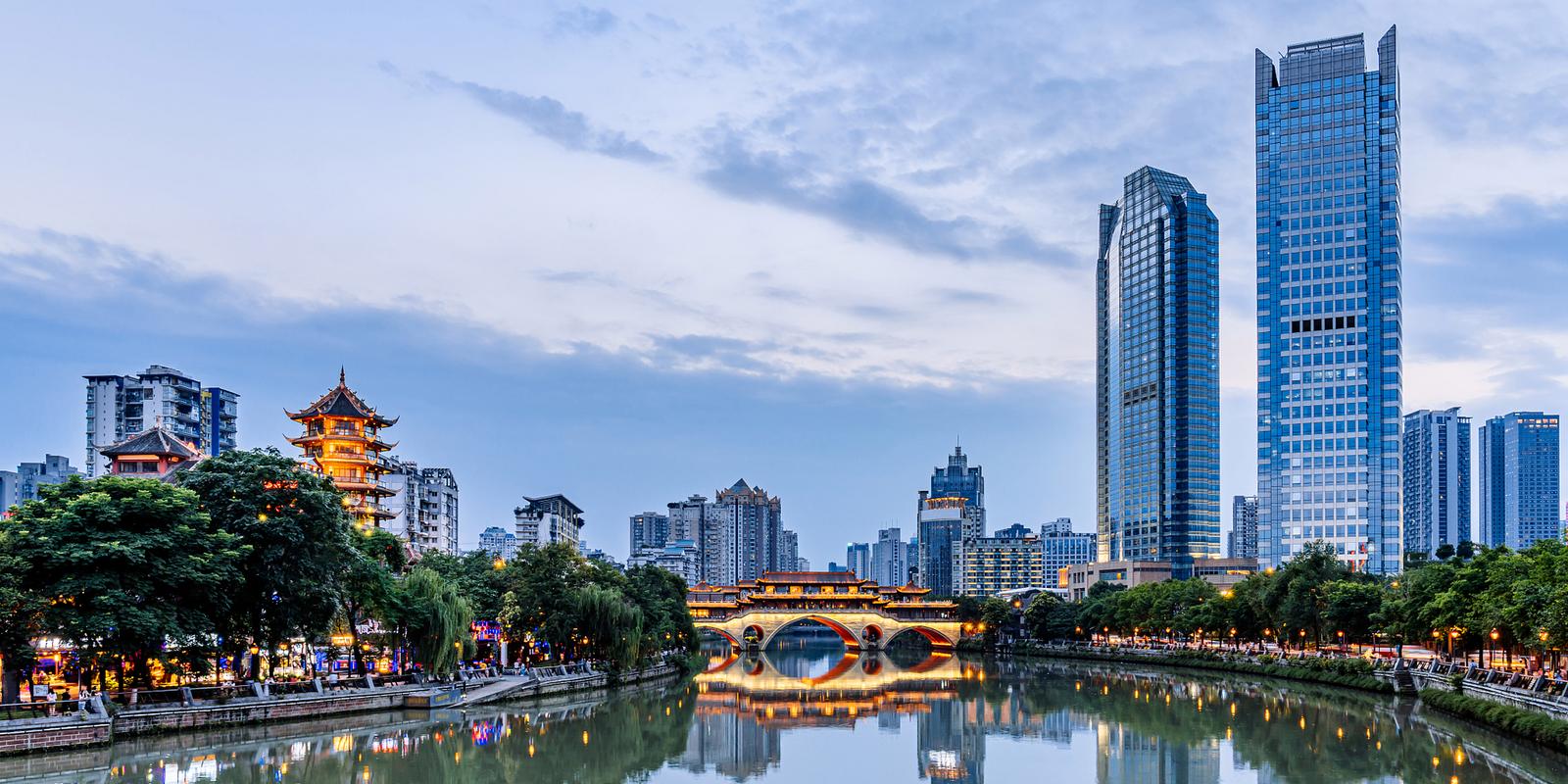
Chengdu, formerly known as Jinguan City, is a nationally recognized historical and cultural city with over 3,000 years of history. Renowned as the Land of Abundance, it is an important birthplace of ancient Shu civilization and the economic and cultural center of Southwest China. The entire city carries a profound historical heritage while brimming with modern and fashionable energy, and is renowned for its leisurely and comfortable pace of life.
National treasure home. The Chengdu Giant Panda Breeding Research Base is the world's most renowned panda conservation institution. Here, you can observe adorable giant pandas up close. From cubs to adults, their sights of eating bamboo, climbing trees, and rolling on the ground are truly amusing. The base simulates a wild environment, with lush bamboo nestled among the trees, making it the best window to understand this rare species.
Historical monuments. Wuhou Shrine is the only temple in China where ruler and ministers are worshipped together, commemorating Zhuge Liang and Liu Bei. The red walls and bamboo shadows tell stories of the Three Kingdoms history. Du Fu's Thatched Cottage is the former residence of the poet Du Fu in Chengdu. Its thatched cottage is rustic, surrounded by streams, and famous verses say that thousands of spacious mansions could have been born here. Kuanzhai Alley consists of three parallel ancient streets with blue bricks and black tiles, blending northern siheyuan (courtyard houses) and Western Sichuan residential styles. Today, it is the perfect place to savor the old Chengdu well-living life, with teahouses, opera stages, and folk crafts everywhere. Jinli Ancient Street is adjacent to Wuhou Shrine. At night, lanterns hang high, Sichuan opera face-changing performances complement authentic local snacks, creating a lively atmosphere.
Taoism and water conservancy. Qingcheng Mountain is one of the birthplaces of Taoism in China, lush with forests, quiet and deep, earning the reputation of being the most secluded place in Qingcheng. It is an excellent place to escape the summer heat and nurture the heart. Dujiangyan is a grand water conservancy project led by Li Bing and his son over two thousand years ago. It still irrigates the Chengdu Plain today, and its damless water diversion has been listed as a UNESCO World Cultural Heritage site.
A food paradise. Chengdu has been awarded the title of Gourmet Capital by UNESCO, with hotpot being a prime example. The spicy and spicy hot pot is simmering in red oil, spicy and fragrant, and tripe, yellow throat, and duck intestines are blanched in the pot for a few seconds and ready to eat. Chuanchuanxiang is even more street-style, with hundreds of ingredients to choose from, paired with dry or oil dishes for a memorable experience. Traditional snacks like dandan noodles, dragon wontons, Zhongshui dumplings, and Sanpao are all a delight for the taste buds. The street vendors like sugar and fried dough pastries and egg pancakes carry the childhood memories of Chengdu residents.
Leisure life. Chengdu people love tea; open-air teahouses are everywhere in parks and along riverbanks, with bamboo chairs and wooden tables. A bowl of gaiwan tea can pass the afternoon. Heming Teahouse in People's Park has a history of over a hundred years and is the top choice for experiencing the slow lifestyle of old Chengdu. At night, the bar street at Jiuyanqiao is brightly lit, and the Jinjiang River flows with the romance of a modern city.
Chengdu's charm lies in the blend of ancient and modern. Here, there is three thousand years of civilization, food and comfort envied worldwide, and a calm and unhurried philosophy of life. This is a city you never want to leave once you arrive.
Sample route
Chengdu: 3 nights
- Arrive with street dinner alleys
- Parks, teahouses, and the old city
- Suburbs or Panda Base
- A carefree ending