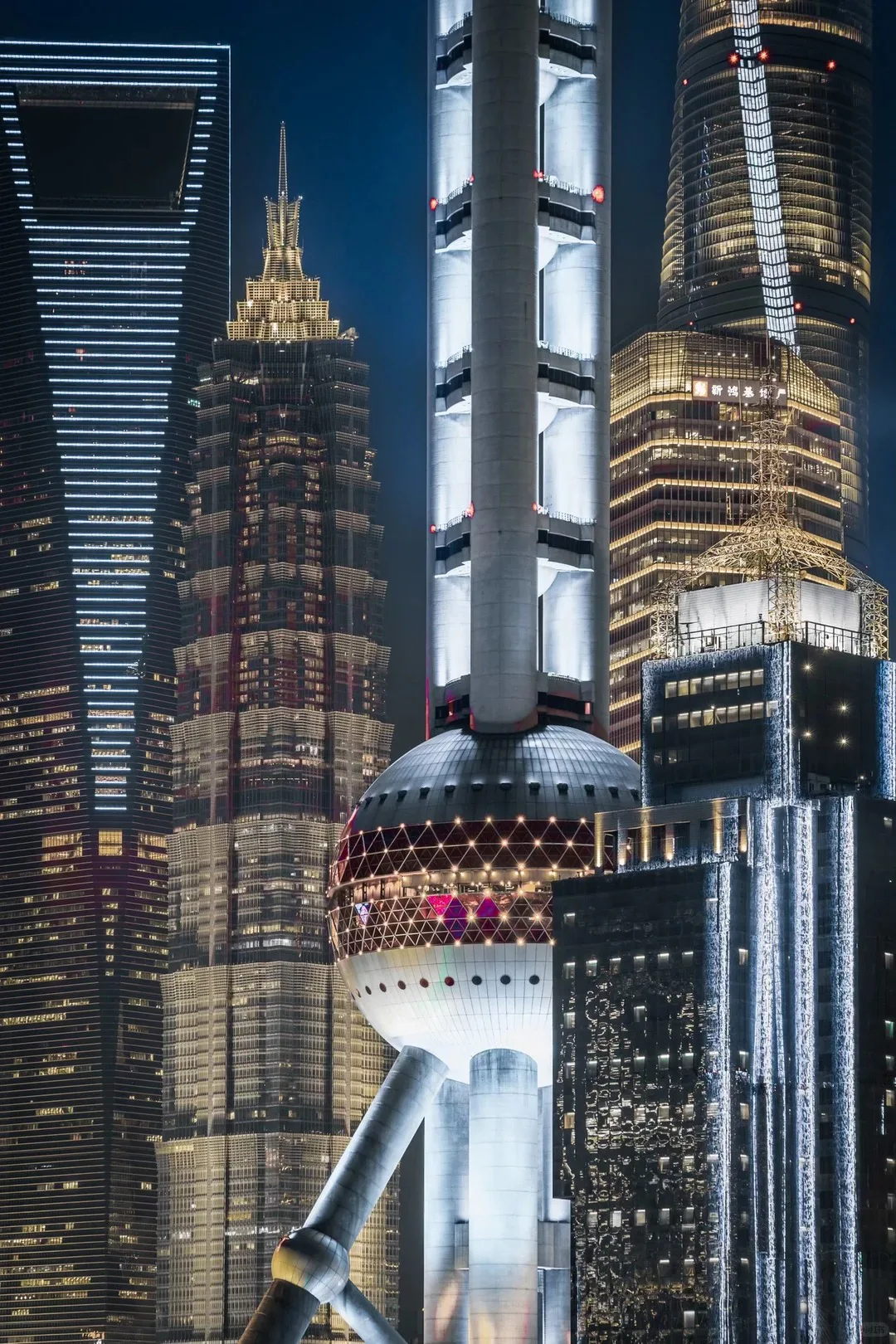
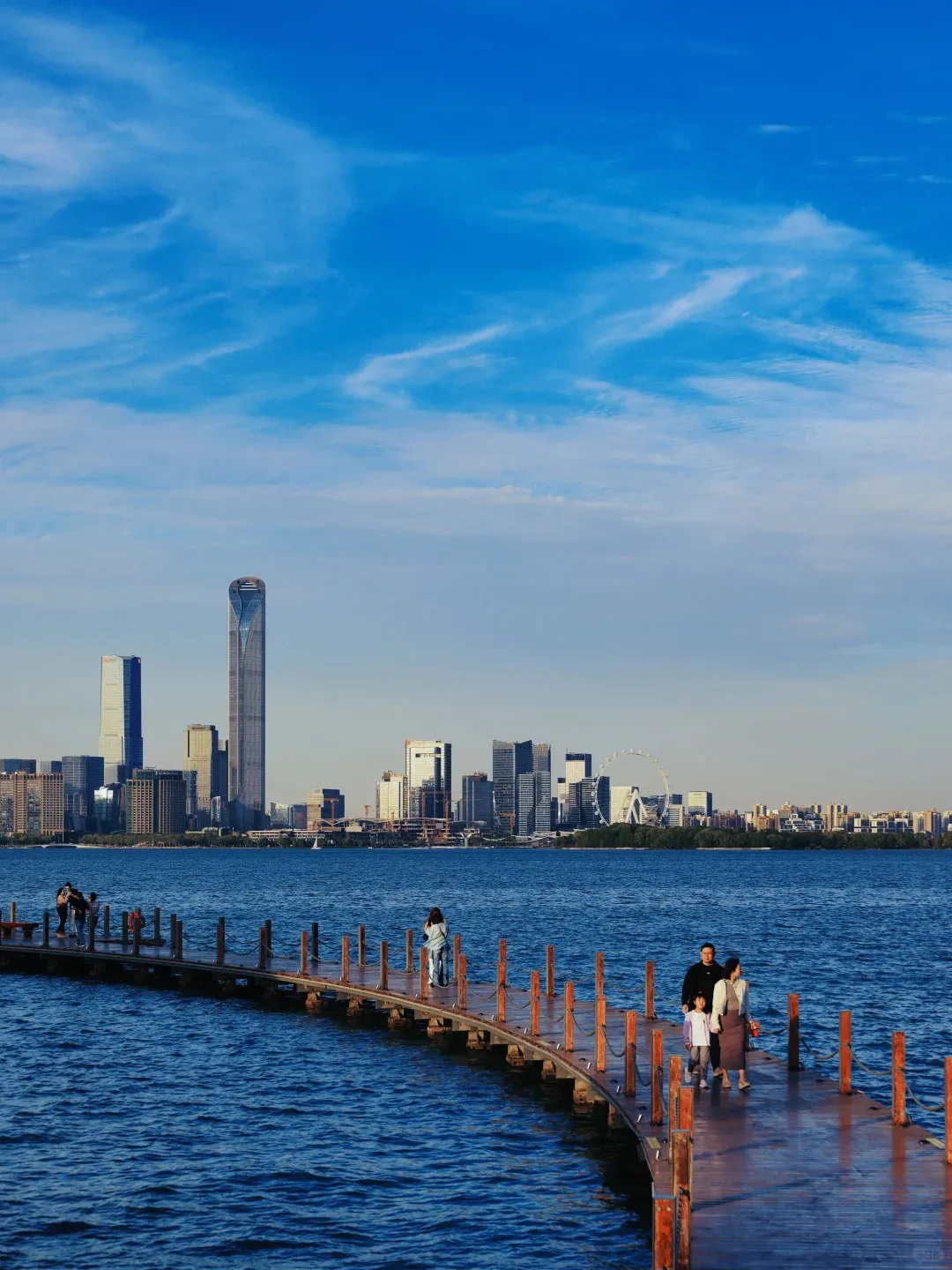
Jiangsu, Zhejiang, and Shanghai refers collectively to Jiangsu, Zhejiang, and Shanghai, located in the eastern coastal region of China and the core region of the Yangtze River Delta. It is one of the most economically developed regions in China and the heart of Jiangnan culture, offering the prosperity and fashion of an international metropolis, the gentle elegance of a thousand-year-old water town, and the exquisite craftsmanship of classical gardens. From the lights of Shanghai's Bund to the misty rain of West Lake in Hangzhou, from the ancient charm of Suzhou's gardens to the splendor of Nanjing's Six Dynasties, Jiangsu, Zhejiang, and Shanghai present a three-dimensional tapestry where tradition and modernity intertwine, nature and culture blend beautifully.
Main Walkthrough
Day 2: Suzhou→ Nanxun Ancient Town→ Huzhou
In the morning, depart from Suzhou for Nanxun. Compared to blindly chasing "internet-famous ancient town camera spots," Nanxun is better suited to strolling slowly along the river, where small bridges, old houses, riverways, and Jiangnan streets cluster together. After evening, as the tourists gradually disperse, the ancient town becomes more comfortable, and you can stay overnight in Nanxun or Huzhou.
Day 3: Nanxun → Anji→ Bamboo Sea / Valley Water Exploration
On the third day, switch from water towns to mountain wilderness. Summer in Anji is perfect for exploring bamboo forests, streams, and valleys. You can choose one or two from China's Great Bamboo Sea, Cloud Grassland, and various canyon waterfront activities—don't cram them all into one day. In the evening, stay directly at Anji guesthouses or resort hotels.
Day 4: Evening leisurely tour of West Lake → West Lake, Anji → Hangzhou
Sleep until you wake up naturally, then head to Hangzhou. After arriving at noon, rest first, then go to West Lake after four or five in the afternoon. During summer vacation, there's absolutely no need to stroll around Su Causeway or White Causeway at noon, take a walk along the lake in the evening, watch the sunset over West Lake, and then go downtown for a meal—much more comfortable.
Day 5: Hangzhou → Xixi / Canal Slow Tour → Return
No longer planned long-distance attractions on the last day. In the morning, choose to take a leisurely tour of Xixi Wetland, the Grand Canal, or the city center; after lunch, return to complete the entire loop.
2. How to choose ancient towns, wild mountains, and West Lake? The focus of this route isn't on crazy check-ins
The most common problem with self-driving in Jiangsu, Zhejiang, and Shanghai is having too many attractions on the map, and every one feels like it's on the way, so on the last day, you plan to visit seven or eight places.
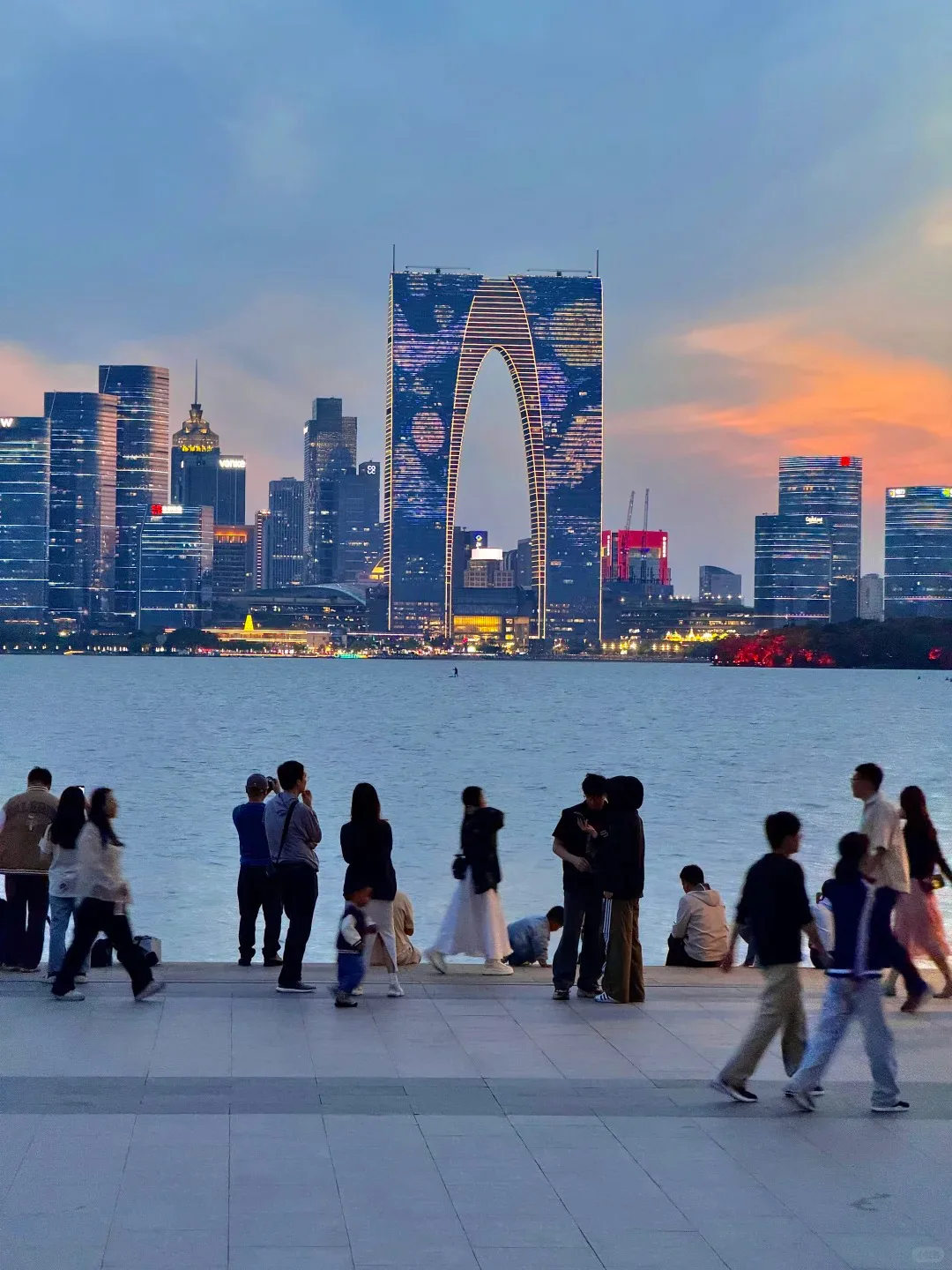
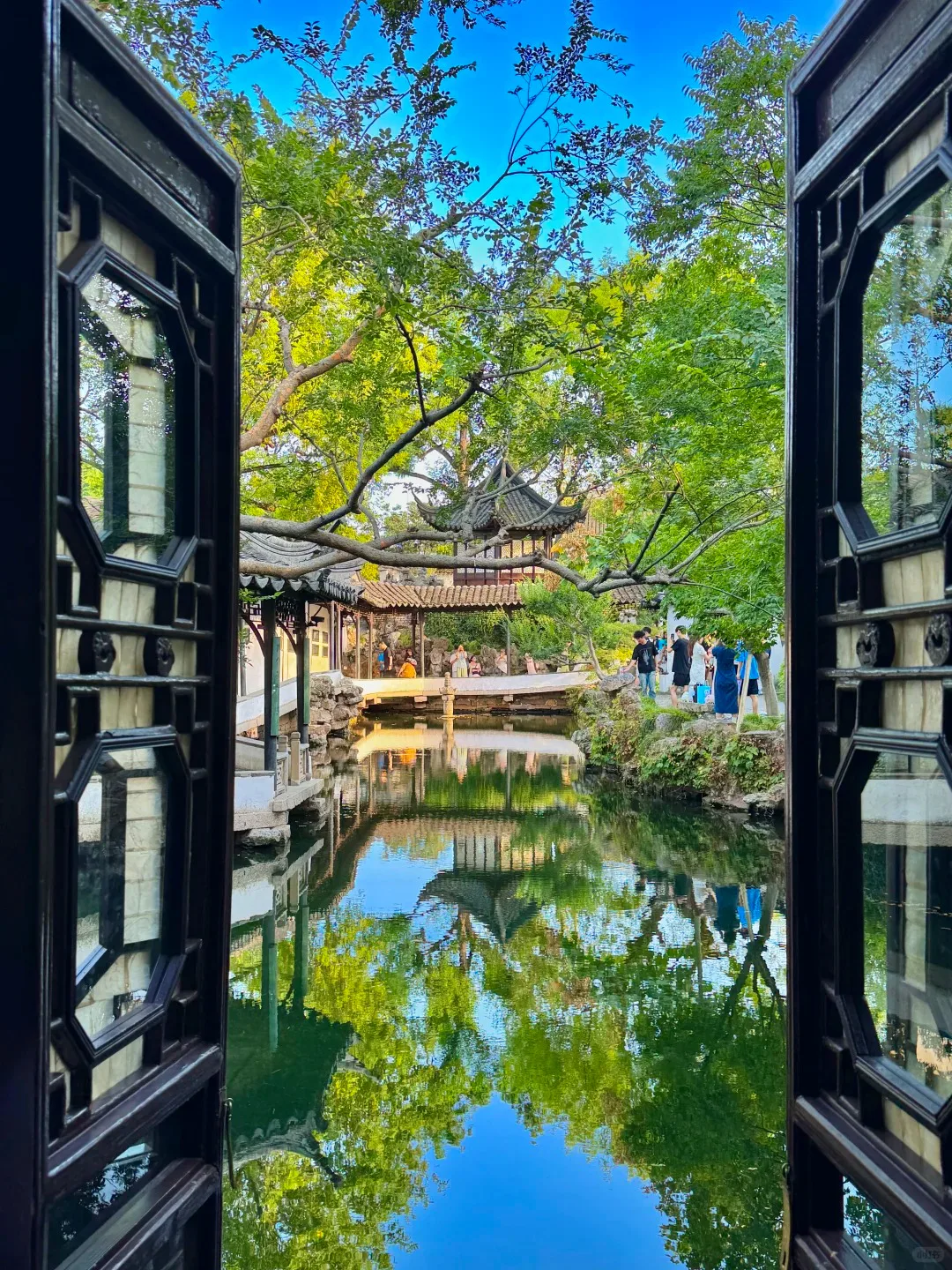
In Suzhou, you can actually enjoy a comfortable day in just one day. For gardens, it's recommended to choose one of the main attractions for visits, such as the Humble Administrator's Garden or Lingering Garden, paired with Pingjiang Road and Jinji Lake, so you can enjoy both traditional Jiangnan and modern city nightscapes.
Don't just plan your second stop, Nanxun Ancient Town, for two hours. The real experience comes in the evening and early morning, when both sides of the river gradually quiet down, giving you a stronger Jiangnan water town vibe. If time permits, staying one night is a better experience than a day trip.
Once you arrive in Anji, the way of doing things changes completely. If you want to see bamboo forests, you can head toward Dazhu Hai; if you want to enhance outdoor experiences, you can choose valleys, rafting, water activities, and other activities. Summer outdoor activities are more affected by the weather; adjust promptly in case of heavy rain or lightning, and avoid forcing yourself into the water.
Finally, when you arrive in Hangzhou, you don't need to obsess over "all ten views of West Lake." Find a stretch of lakeshore you like, sit down for a cup of tea, and wait for the sun to set—it's actually more comfortable than running around the lake in the heat.
3. How to arrange self-driving accommodation? Driving a little less each day is more important than visiting one more attraction
The advantage of this route is that the distances between cities are relatively easy to manage, so it's recommended to follow the route and avoid backtracking.
The first night stayed in Suzhou, the second night in Nanxun or Huzhou, the third night in Anji, and the fourth night in Hangzhou. Although we changed hotels every day, we basically kept moving forward, without needing to travel 100 to 200 kilometers daily just to stay in one place.
For urban destinations like Suzhou and Hangzhou, when booking hotels, pay attention to parking conditions and metro convenience. Some old city areas have narrow roads and parking is inconvenient, so you can park at your hotel and then use the subway or taxi for sightseeing. In Anji, there are many obvious advantages of self-driving, with more flexibility to visit bamboo forests, valleys, and guesthouses.
During summer vacation, especially weekends, demand for family-friendly hotels in Anji, specialty homestays, and popular accommodations in Hangzhou is concentrated. Once your route is decided, you can use the Tongcheng Travel app in advance to compare hotel and transportation prices along the way. When booking a self-drive hotel, it's especially important to confirm whether parking spaces are available, whether parking is paid, and the actual driving time from the hotel to core scenic spots. Don't just look at the straight-line distance on the map.
4. What to eat along the Jiangsu-Zhejiang-Shanghai route? Change the flavor at every stop
This route offers not only scenery but also food, which is completely unrepeated.
In Suzhou, you can try Suzhou-style soup noodles, squirrel mandarin fish, Suzhou-style pastries, and small red bean balls; In Huzhou and Nanxun, try Shuangjiao noodles, Dingsheng cake, Huyang lamb, and Jiangnan home-style dishes; In Anji, focus on tasting bamboo shoots, native chicken stew, stream fish, and other wild mountain vegetables; In Hangzhou, you can arrange spicy Sichuan dishes, Dongpo pork, Longjing shrimp, and scallion-wrapped cypress.
Don't chase trendy restaurants every time during your drive. Especially during summer, queues at popular scenic spots may be longer than meals. Save one or two places you truly want to eat, and go to local restaurants for the rest.
Also, July and August in Jiangsu, Zhejiang, and Shanghai are generally hot, so for outdoor routes, try to set out early, rest at noon, and continue playing in the evening. Prepare drinking water, an umbrella, sunscreen, mosquito repellent, and spare clothing in the car. If you're going to Anji for rafting or water play, add wading shoes, a waterproof phone bag, and a set of dry clothes.
5. Jiangsu, Zhejiang, and Shanghai Summer Self-Drive FAQ
Q1: What is the best time to take this route?
Recommended 5 days and 4 nights. If you only have 3 days, you can shorten the return trip to Shanghai→Suzhou→ Nanxun→ If you have 7 days, you can add destinations like Moganshan or Shaoxing.
Q2: How long do I need to drive daily for self-driving in Jiangsu, Zhejiang, and Shanghai?
This route deliberately avoids long-distance travel, so most cities are suitable for relatively easy driving. However, summer weekends, highway congestion, and traffic around scenic spots all affect actual timing, so try not to enter the city during meal times or evening rush hours.
Q3: How to choose between Anji and Moganshan?
If you like rafting, water play, bamboo seas, and family-friendly outdoor activities, Anji is a priority; If you prefer homestays, summer retreats, and a slower pace, you can replace Anji with Moganshan.
Q4: Are Shanghai, Suzhou, and Hangzhou urban areas suitable for continuous driving?
Not recommended. The main purpose of self-driving is to solve transportation between cities. When you reach the core urban area, you can park and transfer to the subway, bus, or take a taxi, saving time in traffic jams and searching for a parking spot.
Q5: When is the best time to book a hotel during summer vacation?
Weekend stays in Anji homestays, family-friendly hotels, and popular cities are more prone to price fluctuations. You can compare hotels for different dates in advance through the Tongcheng Travel app. If your schedule is flexible, try to schedule weekend stays in cities and popular resorts on weekdays, which can sometimes make your overall budget easier to control.
6. The last few lines
The truly comfortable thing about self-driving in Jiangsu, Zhejiang, and Shanghai is that you don't have to drive for seven or eight hours straight for a "distant destination."
Starting from Shanghai, first visit Suzhou to see the gardens, then stay in Nanxun and enter the Jiangnan water towns; After seeing enough small bridges and flowing water, drive into the Anji bamboo forest to play in the water, and finally head to Hangzhou to enjoy the evening breeze along West Lake. The scenery is almost different every day during these five days.
One day in the ancient city, one day in the water town, one day in the wilderness, and two more days for the city and West Lake—five days and four nights is just right.
If you don't want to fly and avoid hassle this summer, but want to visit a self-driving trip that combines ancient towns, mountains and water, summer fun and water activities, and is perfect for eating and sightseeing, the Jiangsu-Zhejiang-Shanghai loop is worth saving for yourself.