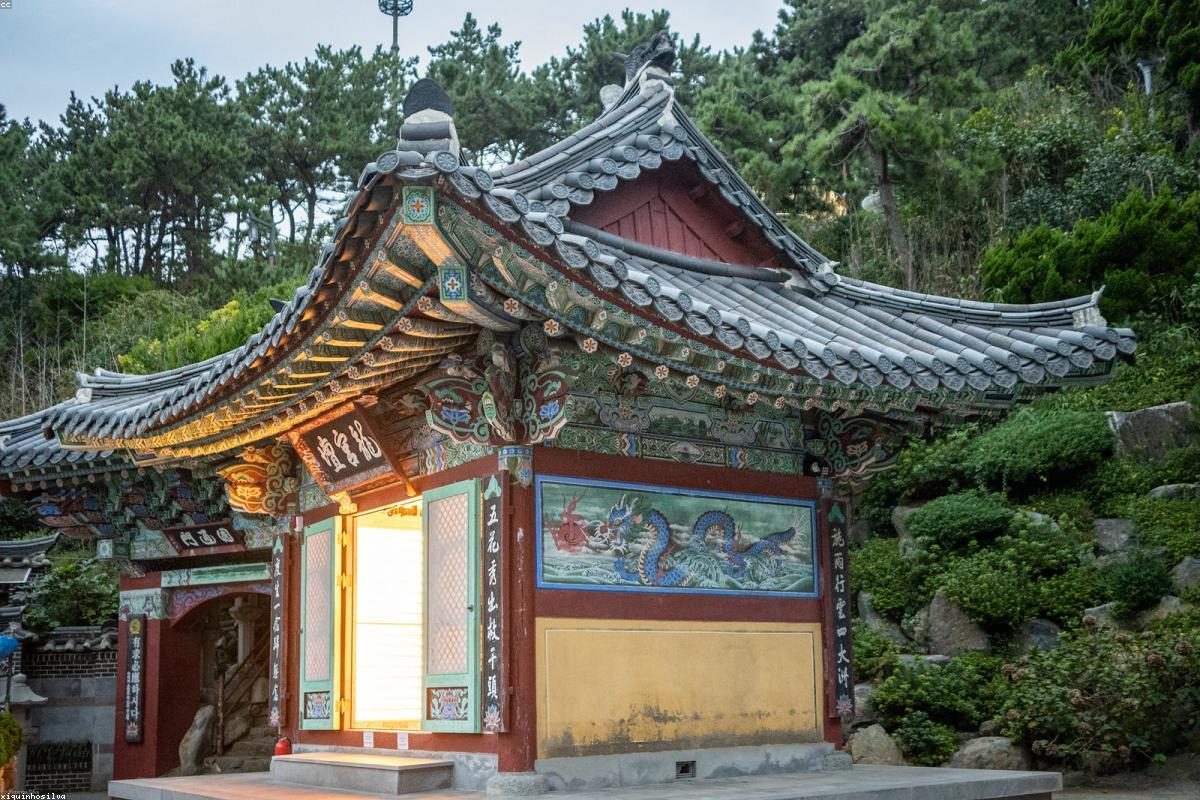
Busan is the representative destination of the harbor Busan, where towers and beaches intertwine to create a unique travel experience. Whether it's a half-day stroll or a multi-day in-depth trip, Busan offers satisfying answers.
Why go to Busan?
Busan is famous for its seaport, where towers and beaches intertwine to create a unique travel texture. Places like Haeundae and Gamcheon-dong together form the backbone of Busan's travel. It's recommended to reserve 3 days and 2 nights to slow down and appreciate the details.
A must-visit attraction
Haiyuntai
Type: Harbor and Busan, similar destinations
Key highlight: One of Busan's iconic scenes
Recommended duration: about 2-3 hours
Tips to avoid: Peak season weekends are crowded, so it's best to visit on weekday mornings or evenings
Ganchuan Cave
Type: Harbor and Busan, similar destinations
Key highlight: One of Busan's iconic scenes
Recommended duration: about 2-3 hours
Tips to avoid: Peak season weekends are crowded, so it's best to visit on weekday mornings or evenings
Busan Tower
Type: Harbor and Busan, similar destinations
Key highlight: One of Busan's iconic scenes
Recommended duration: about 2-3 hours
Tips to avoid: Peak season weekends are crowded, so it's best to visit on weekday mornings or evenings
Zhagaqi
Type: Harbor and Busan, similar destinations
Key highlight: One of Busan's iconic scenes
Recommended duration: about 2-3 hours
Tips to avoid: Peak season weekends are crowded, so it's best to visit on weekday mornings or evenings
Food map
The flavors of Busan are hidden in the streets and alleys. Barbecue and bakeries are the closest gateways to local life; the lively morning market and the bustling night market are both worth experiencing.
Restaurants in Busan have a wide price range, from street stalls costing just a few dozen per person to exquisite dishes costing just a few hundred. If you want to save money, go to old shops where locals line up; if you want peace of mind, choose chains with clearly marked prices.
Don't miss out on desserts and drinks—Busan's teahouses and cafes often hide surprises.
Transportation and accommodation
Getting to Busan usually means airports or high-speed rail stations, and within the city, a combination of buses, subways, and ride-hailing services is the most convenient.
It's recommended to stay in Haeundae or the city center to save time for travel and food hunting. If you're on a budget, you can opt for youth hostels or budget chains; if you want comfort, pick high-rated boutique hotels.
When you first arrive in Busan, it's recommended to rest for half a day and settle your luggage before heading out.
Recommended itinerary for 3 days and 2 nights
Day 1: Arrive in Busan, check into the hotel, and stroll around Haeundae in the evening
Day 2: Busan Tower, Jagaqi
Day 3: Catch up on sightseeing around Busan, shop for souvenirs, and return trip
Budget reference
Busan is at a moderate cost of living, with an average daily cost of about 500-800 yuan per person (excluding major transportation). Tickets, accommodation, and dining are the main expenses, so booking in advance is usually more cost-effective.
FAQ
Q: What is the best time to visit Busan?
Most months are suitable, just avoid extreme weather; If you want to see the towers and beaches, it's best to choose spring and autumn when the climate is comfortable.
Q: Is Busan suitable for bringing elderly people or children?
The overall pace is controllable, the distances between attractions are close, making family travel fully feasible. Pay attention to balancing work and rest.
Q: How many days of play is it best to relax?
Three days and two nights cover the core destinations, and you can extend your time to the surrounding areas.
Q: What's the most worry-free way to arrange transportation?
Within the city, the most flexible combination is ride-hailing + walking, with cross-city priority given to high-speed rail or direct flights.