In depth
Lhasa, meaning sacred land or Buddha land in Tibetan, is located in the south-central part of the Tibet Autonomous Region, on the north bank of the Lhasa River, a tributary of the Yarlung Zangbo River. At an elevation of 3,650 meters, it is one of the highest-altitude cities in the world. This city has a history of over 1,300 years. It is a sacred site of Tibetan Buddhism, the political and cultural center of Tibet, and the location of the World Heritage sites Potala Palace and Jokhang Temple. Because it enjoys over 3,000 hours of sunshine annually, Lhasa is also known as the City of Sunshine. It boasts a unique religious atmosphere, magnificent plateau scenery, and rich Tibetan customs, making it the pilgrimage destination for countless travelers.
Potala Palace
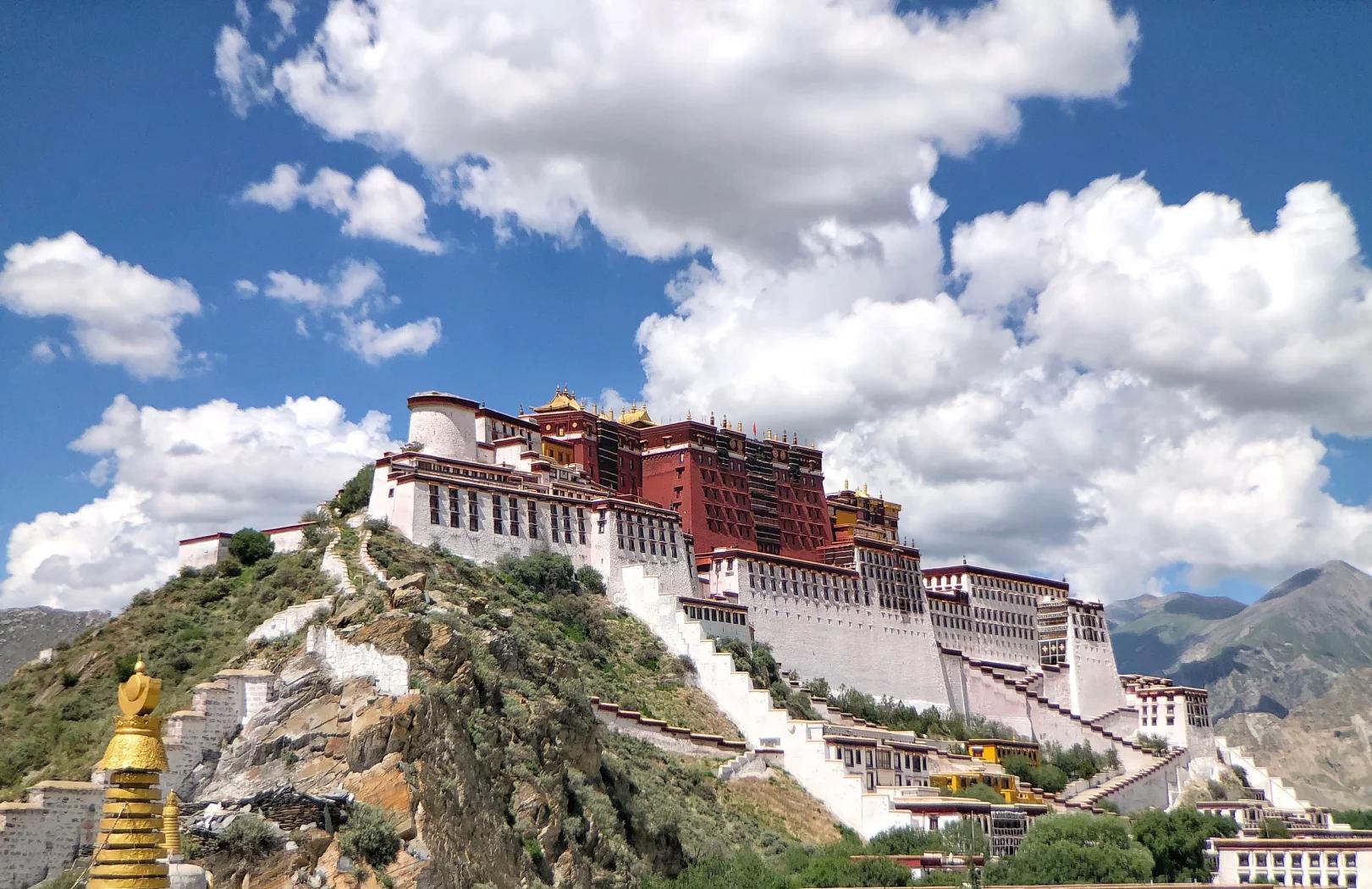
The Potala Palace is a symbol of Lhasa and all of Tibet, located atop Red Mountain at an altitude of 3,700 meters. It is built against the mountain, with towers overlapping and majestic. This palace was originally built in the 7th century AD by Songtsen Gampo to marry Princess Wencheng, and later became the winter palace residence for successive Dalai Lamas. The entire building consists of two parts: the White House and the Red Palace—the White House is where the Dalai Lama handles government affairs and daily life, while the Red Palace houses the stupas of successive Dalai Lamas and a large number of Buddhist relics. The palace houses tens of thousands of Buddha statues, murals, thangkas, and scriptures, with the most striking being the Stupa of the Fifth Dalai Lama, whose body is wrapped in gold and inlaid with tens of thousands of jewels, exquisitely beautiful. Climbing to the top floor of the Potala Palace, you can overlook the entire Lhasa city area and the distant mountains, with an extremely open view. Visitors to the Potala Palace are limited daily and must book tickets several days in advance.
Jokhang Temple
Jokhang Temple is located in the heart of Lhasa's old town, built in the 7th century AD, and is one of the most sacred temples in Tibetan Buddhism. Inside the temple is a life-sized 12-year-old statue of Shakyamuni. This statue was brought to Tibet by Princess Wencheng and is one of only three surviving life-size statues of Shakyamuni in the world, regarded by Tibetans as the most precious Buddha statue in the world. Jokhang Temple's architecture blends Han, Tibetan, Indian, and Nepalese styles, with its golden dome shining brilliantly under the sunlight. Pilgrims from all over Tibetan regions gather daily in front of the temple, prostrating themselves and bowing their heads in worship, their devotion deeply moving. Jokhang Temple is the cosmic center in the hearts of Tibetan Buddhist believers, and the pilgrimage path surrounding Jokhang Temple is the famous Barkhor Street.
Barkhor Street
Barkhor Street is the oldest and most lively street in Lhasa, encircling Jokhang Temple, which means 'middle circle' in Tibetan. This street serves both as the pilgrims' pilgrimage route and as Lhasa's busiest commercial street. Along the streets, you can see elderly women hand-spinning prayer wheels, pilgrims kowtowing with every step, vendors selling jewelry and thangkas, and tourists sitting in corners sunbathing. Hidden deep in the alleys are many century-old teahouses and Tibetan-style restaurants. Makye Ami Restaurant is well known for the legendary story of the Sixth Dalai Lama, Tsangyang Gyatso, and his lover's date. Strolling through Barkhor Street, you can experience both the strong religious atmosphere and the authentic everyday life of Lhasa.
Sera Monastery and Drepung Monastery
Sera Monastery is located in the northern suburbs of Lhasa and is one of the six major Gelugpa monasteries of Tibetan Buddhism, renowned both at home and abroad for its scripture debates. Every day around 3 p.m., monks in the temple engage in intense debates in the debate hall—the questioners high-five, stomping their feet, and loudly questioning. The respondents sit upright in deep thought and respond calmly. The scene is lively and interesting, and even those who do not understand Tibetan can feel the clash of wisdom. Drepung Monastery is located in the western suburbs of Lhasa and was once the largest Tibetan Buddhist monastery, with over ten thousand monks at its peak. The temple is built along the mountain, layered upon layer, and from afar it looks like a mountain city. During the annual Shoton Festival, Drepung Monastery displays a massive Shakyamuni Thangka on the mountainside, attracting thousands of devotees and tourists to admire it, creating a truly spectacular scene.
Namu Cuo
Namtso is located about 240 kilometers north of Lhasa, with a lake surface at an elevation of 4,718 meters. It is one of Tibet's three sacred lakes and the highest large lake in the world. The lake is deep and azure, like a giant sapphire set atop a plateau. On the southeast shore stands the main peak of the Nyenchen Tanglha Mountains, which is snow-capped year-round. The snow-capped mountains reflect in the lake, creating a stunning scene. Namtso means 'Heavenly Lake' in Tibetan, and it is a sacred site in the hearts of Tibetan Buddhist followers. Every year, large numbers of devotees hike around the lake to pay their respects. To reach Namtso, you must cross the 5,190-meter-high Nagenla Pass. The journey is bumpy and carries a high risk of altitude sickness, but the scenery upon arrival is enough to offset all the hardships.
Roblinka
Luoblinka is located in the western suburbs of Lhasa. In Tibetan, it means 'treasure garden' and has served as the summer residence of successive Dalai Lamas. This garden was first built in the 18th century, covering about 360,000 square meters, and is the largest and most scenic imperial garden in Tibet. The garden features pavilions, towers, lake lights, and Tibetan-style palaces, and is also adorned with a wealth of rare plants and flowers. Every summer, the Dalai Lama moves from the Potala Palace to stay here for summer retreat and to handle state affairs. Today, Luoblinka has become a park for Lhasa residents to relax and enjoy, especially during the Shoton Festival, when grand Tibetan opera performances are held, creating a lively atmosphere.
Tibetan cuisine and sweet tea houses
Tibetan cuisine has a unique flavor. Butter tea is made from butter, brick tea, and salt, rich and savory and aromatic. It is a daily staple drink for Tibetans and a good remedy for relieving altitude sickness. Tsampa is made by roasting and grinding highland barley into powder. When eating, it is shaped into a dough by hand and served with butter tea—simple yet filling. Tibetan noodles are made from highland barley flour, have a chewy texture, and are served with yak meat soup and pickled radish. They are a common staple food on the streets of Lhasa. After drying, the yak beef jerky is firm and fragrant, becoming more fragrant the more you chew. Lhasa is full of sweet tea houses. Guangminggang Qiongtian Tea House is one of the most famous in the old city. Sweet tea is made from black tea, milk powder, and white sugar. Its flavor is similar to milk tea but richer. Sitting in a sweet tea house drinking a pot of sweet tea, basking in the sun, and watching people come and go is the best way to experience the slow pace of life in Lhasa.
Plateau Travel Tips
When first arriving in Lhasa, altitude sickness is a problem most people must face. It is recommended not to shower or engage in strenuous exercise on the first day after arrival; rest more, drink plenty of water, eat small, frequent meals, and give your body enough time to adapt. You can prepare anti-altitude reflex medications such as Rhodiola in advance. Lhasa has intense sunlight, so even in winter, you need to bring high-intensity sunscreen, sunglasses, and a sun hat. There is a large temperature difference between morning and evening, so you need to bring a thick coat in summer as well. Respect Tibetan religious beliefs and customs—you must remove your hat when entering a temple, do not step on the threshold, do not point to the Buddha statue, and when circumambulating or visiting temples, proceed clockwise. When photographing people, especially monks, it is essential to obtain their consent first.
Lhasa's charm lies in the purity of faith and the grandeur of the plateau. Here, there is no urban noise and anxiety—only the creak of prayer wheels, prayer flags fluttering in the wind, and warm smiles in a sweet tea house. Whether or not you believe in Tibetan Buddhism, the moment you stand at the foot of the Potala Palace gazing upward, walk along the pilgrimage path on Barkhor Street, or gaze at the unbelievably blue lake of Namtso, you will feel a profound sense of tranquility and awe. This is Lhasa—a place where the soul slows down.
Sample route
Lhasa: 4-5 nights
- Arrival, rest, and nearby walks
- Travel and read Lhasa at your own pace
- A temple or surrounding cultural day
- The last day to preserve resilience