In depth
Hangzhou, formerly known as Lin'an and Qiantang, is located in the northern part of Zhejiang Province, at the southern end of the Beijing-Hangzhou Grand Canal, with a history of over 2,200 years as a city. Renowned as a paradise on earth, it is one of China's seven ancient capitals and the center of Wuyue and Southern Song cultures. Marco Polo highly praised Hangzhou in his travelogue as the most beautiful and magnificent city in the world. The entire city is intertwined with lakes and mountains, filled with gardens, and fragrant with flowers throughout the year. Since ancient times, it has been a poetic dwelling place for scholars and poets.
The beauty of West Lake
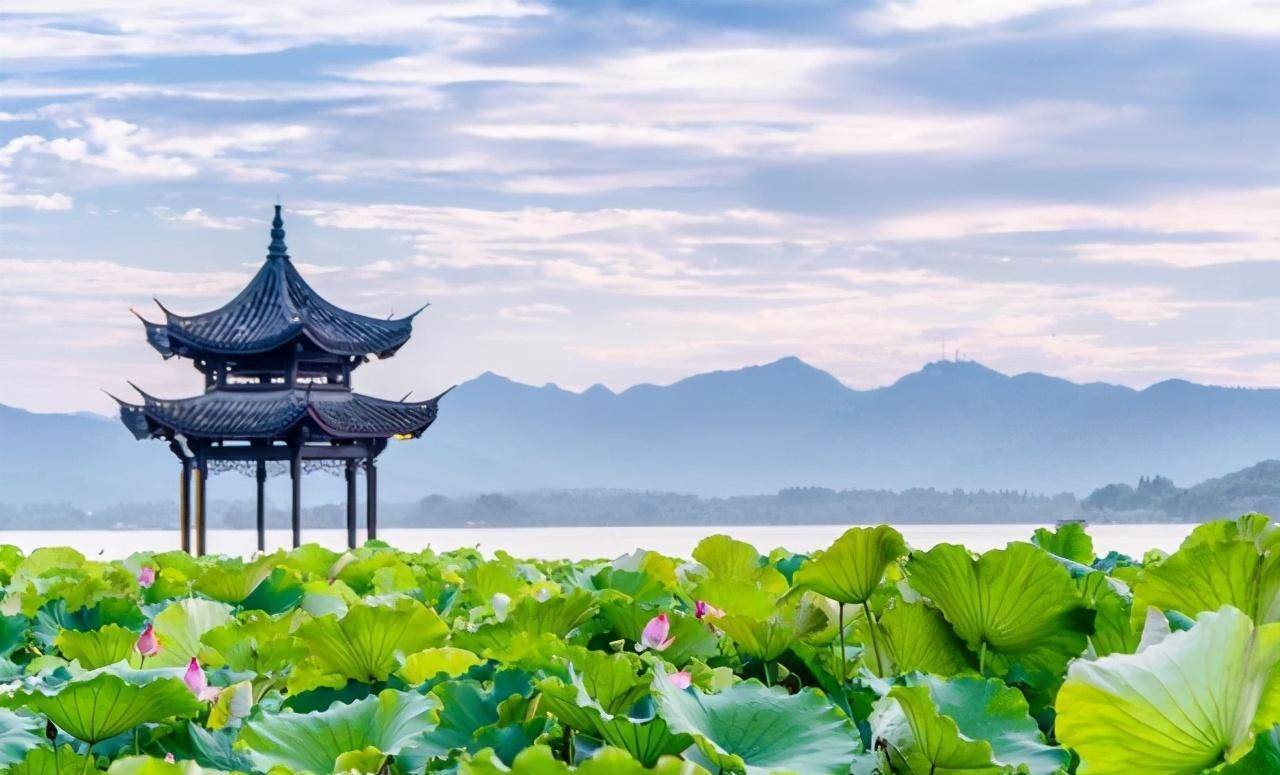
West Lake is the soul of Hangzhou and was listed as a World Cultural Heritage site in 2011. The lake covers about 6.38 square kilometers, surrounded by mountains on three sides and surrounded by water. Su Causeway's Spring Dawn is the top of the Ten Scenes of West Lake. In spring, willow catkins brush the water, peach blossoms glow, and the six bridges rise and fall like a rainbow lying across the waves. The Broken Bridge's Remnant Snow is famous for the legend of the white snake, and when winter snow clears, the bridge surface appears faintly visible. Leifeng Pagoda stands tall on the south bank of West Lake. At sunset, its shadow slants across the lake, filling the lake with golden light. The Three Pools Mirroring the Moon are the symbol of West Lake, with three stone pagodas standing in the water. On moonlit nights, candles are lit inside, and the moonlight and candlelight reflect each other. Taking a rowboat to sail on the lake, the Pavilion in the Heart of the Lake and Ruan Gongdun are dotted between them. From afar, the Pagoda of Baoshu stands gracefully atop Baoshi Mountain—one lake, one pagoda, balancing strength and gentleness.
Historical monuments
Lingyin Temple is the oldest Buddhist temple in Hangzhou, built in the first year of the Xianhe era of the Eastern Jin Dynasty (326 AD). The Mahavira Hall inside the temple stands 33.6 meters tall, and the Hall of the Five Hundred Arhats is solemn and grand. Feilai Peak is dotted with over 470 stone carvings from the Five Dynasties to the Song and Yuan dynasties, each with its own unique form. Liuhe Pagoda stands tall by the Qiantang River, originally built during the Northern Song Dynasty. The tower stands nearly 60 meters tall, and from the tower, one can observe the surging tides of the Qianjiang River. It is an important landmark of Hangzhou's ancient city. Song City revives the prosperity of Southern Song Lin'an, attracting countless visitors with its grand song and dance performances, evoking the timeless charm of Song City.
Canals and marketplaces
The Beijing-Hangzhou Grand Canal remains navigable on the Hangzhou section, with Gongchen Bridge as the landmark of the canal in Hangzhou. The bluestone arch bridge spans both banks, and the historic district west of the bridge preserves the waterside homes of old Hangzhou. Xiaohe Straight Street winds along the bluestone pavement, with teahouses and handicraft workshops lined up, making it a great place to experience the slow pace of canal life. Hefang Street borders Southern Song Imperial Street and is Hangzhou's busiest bustling street district, lined with century-old shops like Hu Qing Yu Hall and Fang Huichun Hall, with antiques, calligraphy, paintings, silk, and embroidery dazzling the area.
Natural ecology
Xixi National Wetland Park is only five kilometers from West Lake and is China's first national wetland park. Its waterways stretch like alleys, reed flowers resemble snow, and persimmon trees form forests. Sailing through the green islets, you can see egrets fluttering, wild ducks playing, and in autumn, the branches are covered with fiery persimmons, creating a lively scene. Longjing Tea Garden is the core production area of West Lake Longjing, with tea trees layered on the mountain. Around Qingming, tea picking is busy. Tasting a cup of Pre-Qingming Longjing brings a lingering bean aroma, truly the taste of spring in Hangzhou.
A city of gourmet food
Hangzhou is the birthplace of Hangzhou cuisine, known for its light and elegant style. West Lake Vinegar Fish is made from grass carp, drizzled with a rich sweet and sour sauce, resulting in tender, sweet-sour fish meat. Dongpo pork is bright red, fatty but not greasy, and is said to have been invented by Su Dongpo while serving in Hangzhou. Longjing shrimp are stir-fried with fresh river shrimp and Longjing tea juice, resulting in a fragrant, tender aroma. Song Sao Fish Soup originated in the Southern Song Dynasty, known for its rich and fresh broth. Street snacks include scallion wrapped stew, Dingsheng cake, and Pian'er Chuan, and the Cat Ear on Southern Song Imperial Street is also unforgettable.
Hangzhou's charm lies in the harmony of its lakes, mountains, and culture. Bai Juyi stayed but could not leave Hangzhou; half of his lingering was his longing for this lake; Su Dongpo wrote a masterpiece wishing to compare West Lake to Xizi, whether lightly or heavily adorned, always fitting. From a thousand-year-old ancient capital to a modern paradise, Hangzhou offers the poetic charm of West Lake, the bustling city life of the canal, and the majestic grandeur of the great river flowing eastward. This is a city where time slows down; whether it's morning or evening, rain or shine, the changing seasons, there are different scenery waiting to be appreciated.
Sample route
Hangzhou: 2-3 nights
- Arrive and walk by the lakeside at night
- Walk West Lake at your own pace
- Tea Mountain and a local lunch
- After the canal-side block, return trip