In depth
Gansu, located in the heart of northwest China, is like a long, narrow jade ruyi scepter, linking the Loess Plateau, Gobi Desert, and snow-capped grasslands. This is the golden route of the ancient Silk Road, where Eastern and Western civilizations converged, leaving countless awe-inspiring historical marks.
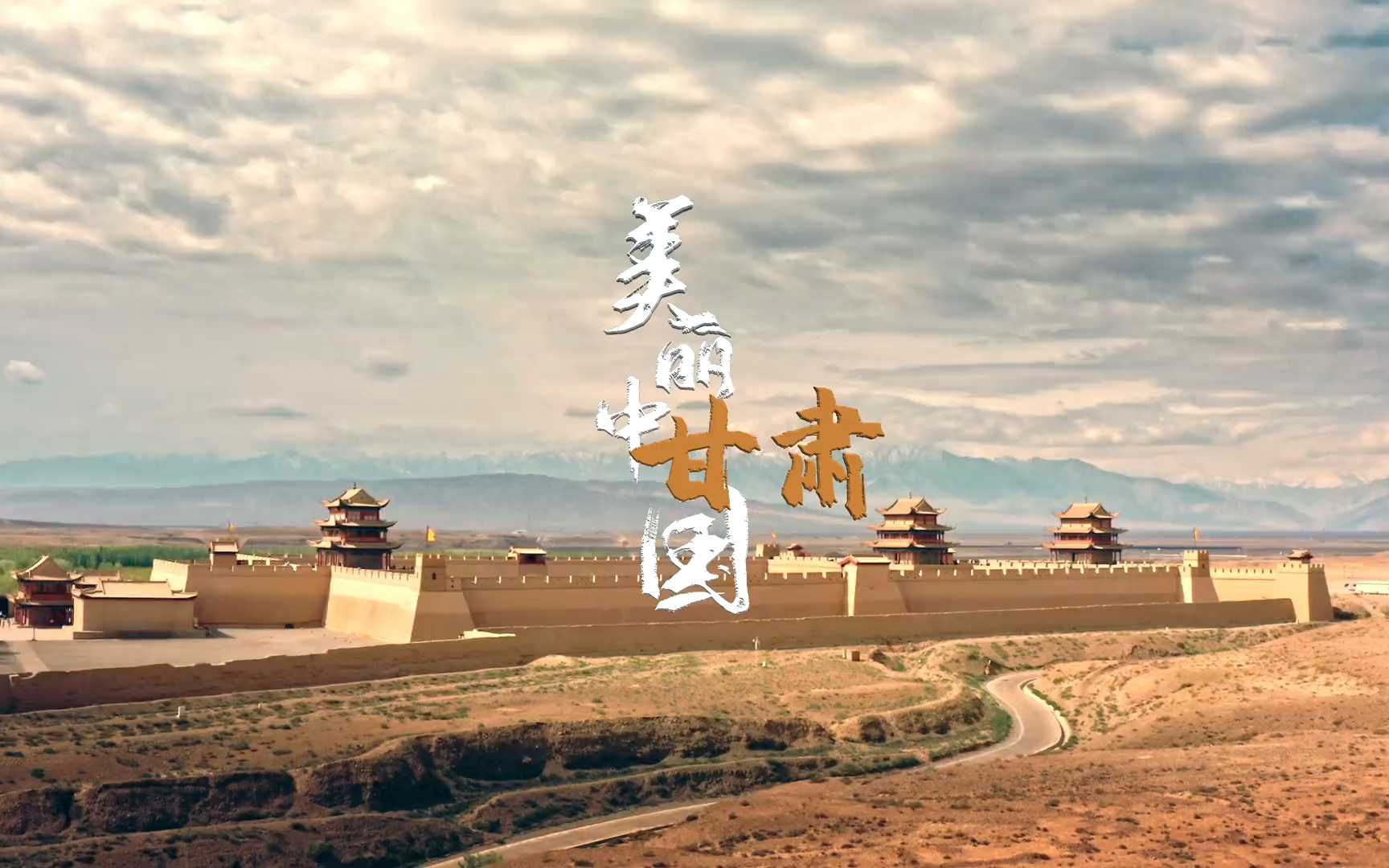
The Mogao Caves, a UNESCO World Heritage site, are known as the "treasure trove of Eastern art." The colorful murals and sculptures in the Thousand Buddha Caves allow visitors to travel through time and experience the grandeur of the Tang Dynasty. The Jiayuguan Great Wall stands tall, serving as the western starting point of the Ming Dynasty Great Wall. The vast and vast "Number One Strongest Pass Under Heaven" is breathtaking. The Danxia landform in Zhangye is like a palette overturned by God, with overlapping colorful mountains bursting with flame-like brilliance under the setting sun.
Gansu is also home to multi-ethnic coexistence, with Tibetan Buddhist Labrang Monastery, Hui mosques, and Han Chinese culture harmoniously blending. When you arrive in the provincial capital Lanzhou, a bowl of authentic beef noodles is the best way to experience local life—one clear, two white, three red, four green, five yellow, with fresh broth and chewy noodles, warming both body and heart.
From the pastoral songs of the grasslands of Gannan to the solitary smoke of Dunhuang's desert, Gansu is like a thick scroll of history, with every step treading on the pulse of civilization. The best season to visit is from May to October, when the weather is pleasant and the scenery is at its peak. Come to Gansu and feel the desolation and deep affection bestowed by this land.
Sample route
Gansu: 6-7 nights
- Arrival and adaptation
- Caves and ancient cities
- Gobi Highway
- The lingering charm of the Silk Road